

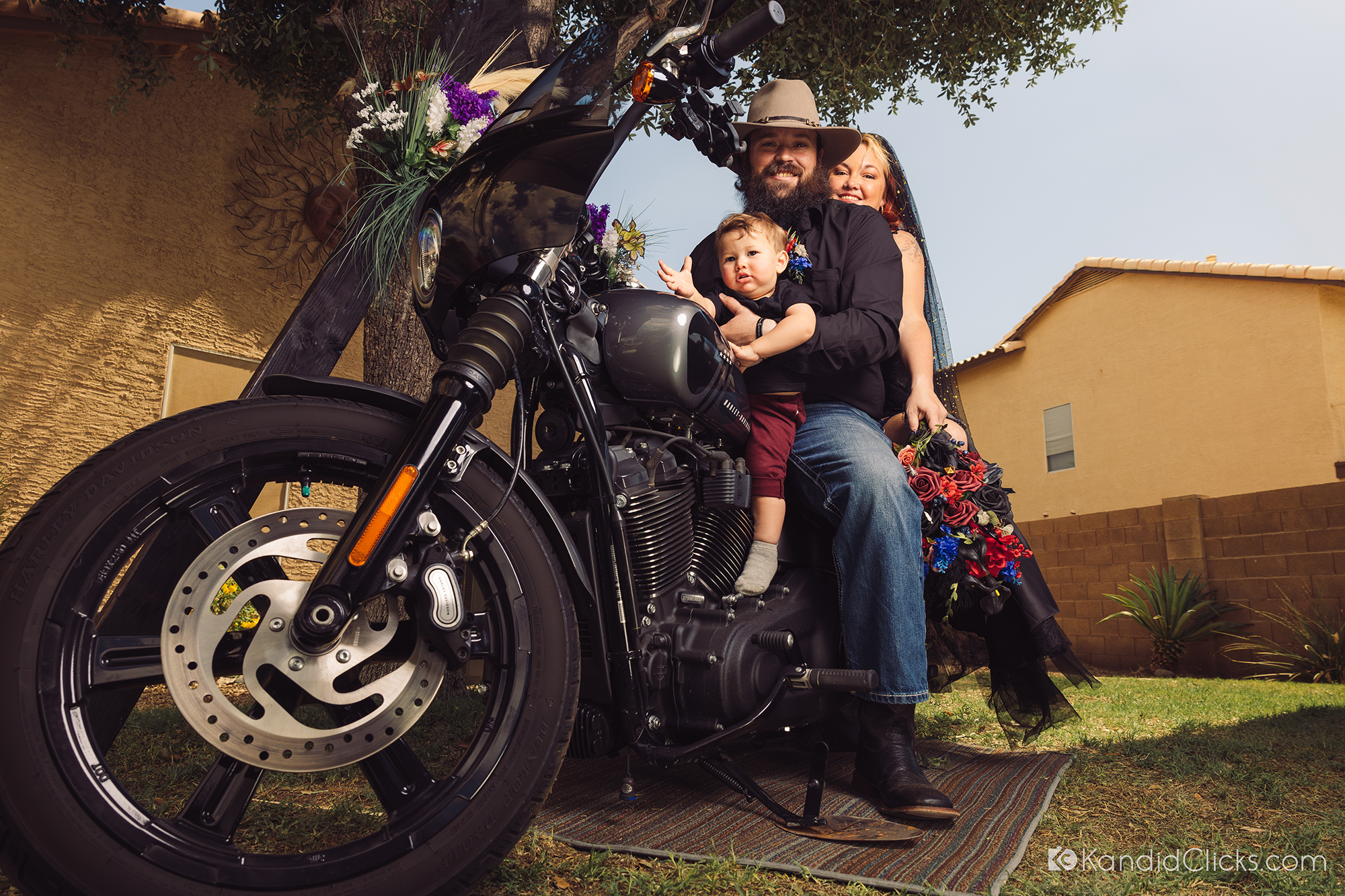
Your wedding day will fly by in a blur of champagne toasts, tearful vows, and first dances. When it’s over, the only tangible thing you’ll have — besides the ring on your finger — are the photographs. That makes hiring the right wedding photographer one of the most important decisions in your entire wedding planning process.
But the big question every couple asks is: how much does a wedding photographer cost?
The short answer: most couples in the U.S. spend somewhere between $2,500 and $6,500, with the national average landing around $3,800 to $4,400 for professional, full-day coverage. However, that range stretches from under $1,000 for a beginner to well over $10,000 for a luxury, fine-art specialist.
The long answer? That’s what this guide is for. Below, we’ll walk through every factor that influences wedding photography pricing, break down what you should expect at each budget level, show you exactly what’s included (and what isn’t) in standard packages, and give you insider tips to get the most value — no matter your budget.


Average Wedding Photographer Cost in 2026
Let’s start with the numbers. According to industry surveys and data from major wedding planning sites, here’s what couples across the country are paying right now:
National averages at a glance:
- Typical range: $2,500 – $6,500
- National average: $3,800 – $4,400
- Percentage of total wedding budget: About 8–10%
- Most popular price point for full-day, experienced coverage: $3,500 – $5,000
Photography consistently ranks in the top three wedding priorities for couples, right alongside the venue and catering. Roughly 55% of couples say they’re willing to spend more on their photographer than on any other single vendor category. And it makes sense — the cake gets eaten, the flowers wilt, the DJ goes home. Your photos are forever.
Average Cost of Wedding Photographer for 8 Hours
The standard “full day” package in the U.S. typically covers 8 hours. For this level of coverage — from getting-ready moments through the reception’s first dances — expect to pay between $2,500 and $5,000 from an experienced professional. Ultra-luxury or destination-focused photographers can push that number to $8,000–$10,000+.
If you’re working with a smaller budget, part-time or newer photographers in many markets offer full-day coverage in the $1,500–$2,200 range, which can still deliver beautiful results.
Wedding Photographer Cost Per Hour
You’ll occasionally see photographers advertising hourly rates, usually between $150 and $400 per hour. But here’s what many couples don’t realize: an hourly rate only accounts for the time the photographer is physically at your event. It doesn’t include the dozens of hours spent on pre-wedding consultations, timeline planning, post-production editing, and gallery delivery that happen behind the scenes.
That’s why most professionals prefer — and most couples benefit from — flat-rate packages. A package price reflects the full scope of service, not just the time holding a camera.

Why Wedding Photography Costs Vary So Much
Two photographers in the same city can quote you prices that differ by several thousand dollars. That’s not random. Several core factors drive those numbers up or down.
Experience and Reputation
This is the single biggest pricing factor. A photographer who has been shooting weddings for 10+ years has seen every possible scenario — rain, bad lighting, tight timelines, uncooperative family members, and reception venues with zero natural light. That experience means consistent, high-quality results regardless of the circumstances.
Here’s how experience typically maps to pricing:
- Entry-level (0–2 years experience): $1,000 – $2,500. These photographers are building their portfolios. They may be talented, but they haven’t weathered the unpredictable chaos of 50+ weddings yet. Many are part-time or shoot alongside a full-time job.
- Mid-tier (3–7 years experience): $2,500 – $5,000. Solid professionals who have refined their craft. Most are full-time photographers with established workflows, reliable backup gear, and proven editing styles.
- High-end / Luxury (8+ years experience): $5,000 – $10,000+. Specialists who deliver magazine-worthy imagery, highly personalized service, and premium products. They typically limit the number of weddings they accept each year and invest heavily in each couple’s experience.
- Ultra-luxury / Celebrity-level: $10,000 – $25,000+. Photographers at this level are often published in major bridal magazines, booked years in advance, and handle destination weddings around the world.
The old saying “you get what you pay for” rings especially true here. An experienced wedding photographer in Phoenix or any major metro area will charge more because they bring reliability, artistry, and the ability to handle anything the day throws at them.
Hours of Coverage
More hours simply means more cost. Here’s a rough breakdown:
- 4 hours (ceremony + portraits): $900 – $2,000
- 6 hours (ceremony through cake-cutting): $1,250 – $3,500
- 8 hours (full day — prep through reception): $1,800 – $3,500+
- 10–12 hours (extended, sunset portraits and send-off): $2,250 – $7,000+
Most couples find that 8 hours is the sweet spot. It covers the major milestones — from the bridal party getting ready in the morning through the first dance and reception highlights in the evening.
Number of Photographers (Solo vs. Second Shooter)
A single photographer can cover a small or mid-size wedding beautifully. But for larger weddings (150+ guests), or if you want simultaneous coverage of both the bride and groom getting ready, a second shooter is a smart move.
Adding a second photographer typically costs $200 – $400 for a full day. Some studios include a second shooter in their full-day packages by default. For instance, Kandid Clicks Photography includes two photographers in their Full-Day Wedding Experience at $2,200, which is uncommon at that price point.
Season, Day, and Demand
Peak wedding season (spring and fall in most of the country) and Saturday dates command premium pricing. Fridays, Sundays, and weekday weddings can sometimes land you a discount — or at least better availability with in-demand photographers. In warmer climates like Phoenix, the wedding season runs nearly year-round, with October through April being especially popular.
Location and Travel
Photographers in major metros like Los Angeles, New York City, and Chicago tend to charge more than those in smaller cities. If your venue is outside your photographer’s home area, you’ll typically see travel fees for mileage, flights, or overnight hotel stays.
Most local photographers include a certain radius (usually 15–30 miles) at no charge, then add a flat fee or mileage rate beyond that. For destination weddings, expect to cover flights and one to two nights of lodging in addition to the photography fee.
Deliverables and Extras
The items included in your package directly affect the price. Key variables include:
- Number of edited images: Budget packages may deliver 200–300 photos. Full-day packages from experienced pros usually deliver 400–800+ images.
- Engagement session: Some photographers include this; others charge an additional $250–$500.
- Wedding albums: Physical albums are rarely included in the base price and can add $500–$2,000+ depending on the quality and number of pages.
- Videography add-on: Some photographers partner with videographers for bundled pricing.
- Rehearsal dinner or brunch coverage: Additional sessions mean additional hours and cost.
Editing Style and Post-Production
A photographer who delivers basic corrections (exposure, white balance) charges differently than one who does detailed retouching, skin smoothing, or artistic color grading for each image. Fine-art and editorial photographers, in particular, invest significant time in post-production to achieve their signature aesthetic — and their pricing reflects it.

Breaking Down Wedding Photography Packages
Most photographers structure their offerings into tiered packages. Understanding how packages work will help you compare quotes apples-to-apples and avoid unpleasant surprises.
Half-Day / Short Coverage Package
Best for: Elopements, courthouse weddings, micro-weddings, or events lasting 4 hours or less.
Typical price range: $1,000 – $1,800
A half-day package usually covers the ceremony, some couple and family portraits, and a portion of the reception. Expect 100–200+ edited digital images and one photographer.
For example, Kandid Clicks Photography’s Half-Day Wedding Package is $1,275 and includes up to 4 hours of coverage, 150+ fully edited digital images, ceremony and portrait coverage, one photographer, and timeline planning assistance.
Full-Day Package
Best for: Traditional weddings where you want comprehensive documentation from morning to evening.
Typical price range: $2,200 – $5,000
The full-day package is the most popular option for good reason. Eight hours (sometimes more) covers getting ready, the ceremony, cocktail hour, family and bridal party portraits, reception highlights, first dances, toasts, and often a grand exit.
Kandid Clicks Photography’s Full-Day Wedding Experience is priced at $2,200 and stands out for the value it delivers: up to 8 hours of coverage, 400+ fully edited digital images, two photographers included, full getting-ready-through-reception coverage, a sneak peek gallery within 72 hours, and styling plus timeline support. For the Phoenix metro area, that’s an exceptionally strong offering — especially with dual-photographer coverage built in.
Common Add-Ons and Their Costs
Beyond the base package, here are the extras most couples consider:
- Additional coverage hours: $200 – $400/hour
- Engagement session: $250 – $500
- Second shooter (if not included): $200 – $400 for the full day
- Wedding albums and prints: $300 – $2,000+
- Videography: $200 – $400/hour for a highlight-reel style add-on
- Highlight video reel (2 minutes): $250 – $500
- Rehearsal dinner coverage: $300 – $600
- Rush delivery: $200 – $500
At Kandid Clicks Photography, add-ons are straightforward: a second shooter or additional time is +$275/hour, engagement sessions are +$250, videography is +$225/hour, and a 2-minute highlight video reel is +$250.

Hourly vs. Flat Rate: What You Need to Know
Some photographers list an hourly rate, which can seem appealing at first glance. “$250 per hour? My wedding is only 6 hours, so that’s just $1,500!” Not so fast.
An hourly rate rarely tells the whole story because wedding photographers don’t just “show up and shoot.” Here’s what goes into every wedding, beyond the hours on-site:
- Pre-wedding consultations and planning calls
- Venue walkthroughs or online research
- Timeline creation and coordination with other vendors
- Equipment preparation, charging, and backup gear
- Post-wedding culling (selecting the best shots from thousands)
- Color correction and professional editing of every delivered image
- Gallery hosting and delivery
- Business overhead: insurance, gear maintenance, marketing, taxes
A photographer who quotes $250/hour for 6 hours of shooting may actually invest 30–40 total hours in your wedding when you account for everything above. That’s why flat-rate packages offer better clarity — you know exactly what you’re paying for and exactly what you’ll receive.
The real value is in the final results: the images you’ll hang on your wall, share with family, and look at for decades. Focus on that outcome, not just the clock.

What's Included in a Wedding Photographer's Prices?
When you compare photographers, make sure you’re looking at more than the bottom-line number. Ask each photographer to specify what’s included. Here’s what to evaluate:
Photography Hours
Does the package cover the specific window you need? If your ceremony starts at 4 PM and you want photos through the reception until 11 PM, you need at least 7–8 hours. Some packages end after 6 hours, which would mean paying overtime fees or losing coverage of later reception moments.
Number of Photographers
A solo photographer handles everything alone. A two-person team covers more ground — one can photograph the bride getting ready while the other shoots the groom. For weddings with 150+ guests, multiple ceremony locations, or tight timelines, a second shooter is practically a necessity.
Digital Image Delivery
How many fully edited images will you receive? “Fully edited” should mean color-corrected, exposure-adjusted, and artistically processed — not just straight out of the camera. Also ask about the delivery method (online gallery, USB drive, cloud download) and how long the gallery stays active.
Prints and Albums
Physical wedding albums are becoming less common as default inclusions. Most photographers offer them as add-on upgrades. If an album is important to you, factor in $500–$2,000+ depending on the size, materials, and number of pages. Don’t overlook this cost — a beautifully crafted album is something you’ll physically hold and share for generations.
Engagement / Pre-Wedding Session
An engagement session isn’t just about pretty photos for your save-the-date cards. It’s a practice run — you get comfortable in front of the camera, build rapport with your photographer, and get a feel for their directing style. That translates into a much smoother, more relaxed experience on the wedding day itself.
Engagement sessions typically cost $250–$500 when purchased separately. Some full-day wedding packages include one.
Travel Fees
If your venue is within the photographer’s standard service area (usually a 20–30 mile radius), travel is typically included. Beyond that, expect a flat travel fee or mileage charge. For destination weddings, you’ll cover airfare, lodging, and sometimes a per-diem or travel-day fee.
Turnaround Time
Ask when you’ll receive your photos. Industry standard for a complete gallery is 4–8 weeks after the wedding, but some photographers deliver faster. Many offer a “sneak peek” — a curated set of 10–30 images delivered within a few days — to tide you over while the full gallery is processed. Kandid Clicks, for instance, delivers a sneak peek within 72 hours of the wedding.

Wedding Photography Pricing by Tier: What You're Really Getting
Not all price points are created equal. Here’s an honest breakdown of what each tier typically offers — and what you should realistically expect.
Budget Tier: $1,000 – $2,000
What you get: A newer or part-time photographer, usually solo, covering 4–6 hours. Basic editing, 150–300 images, digital delivery. Minimal pre-wedding support.
The trade-off: Inconsistency risk. A newer photographer can absolutely capture gorgeous moments — but they haven’t navigated as many challenging scenarios (dark reception halls, complicated family dynamics, fast-moving timelines). There’s a wider gap between their best work and their average work.
Best for: Very small weddings, elopements, couples on a tight budget who’ve carefully reviewed the photographer’s full galleries (not just highlight reels).
Mid-Tier: $2,500 – $5,000
What you get: An experienced, full-time professional. Full-day coverage (6–10 hours), 400–600+ edited images, pre-wedding planning support, often a second shooter at the higher end of this range, fast turnaround, and a polished, consistent editing style.
The sweet spot: This is where most couples land, and for good reason. You’re getting proven expertise, professional-grade equipment with backups, and a service experience that goes well beyond just taking pictures.
Best for: Most couples who want reliable, high-quality coverage of their entire day without the luxury price tag.
Luxury Tier: $5,000 – $10,000+
What you get: A highly seasoned photographer (often 10+ years of experience), a dedicated second shooter, extended coverage, premium deliverables (fine-art albums, prints, styled engagement sessions), and concierge-level service. These photographers often limit themselves to 15–25 weddings per year to give each couple their full attention.
The experience: You’re paying for artistry, personalization, and a final product that borders on editorial or magazine quality. The photographer may help with styling, vendor coordination, and timeline design far beyond what’s typical.
Best for: Couples who consider photography a top-two priority and want an heirloom-quality experience and product.

The Average Cost of a Wedding Photographer in Phoenix
If you’re getting married in Phoenix, Scottsdale, or the greater Arizona metro, here’s what the local market looks like.
Phoenix wedding photography costs tend to sit slightly below national averages due to lower cost of living compared to coastal cities. Most Phoenix couples pay between $2,000 and $4,500 for full-day coverage, though high-end and luxury options certainly exist in the $5,000–$8,000+ range.
Phoenix’s year-round pleasant weather (no winter wedding cancellations!) and abundance of stunning desert backdrops — Superstition Mountains, Papago Park, Boyce Thompson Arboretum, even the urban grit of Roosevelt Row — make it a fantastic market for outdoor wedding photography. Peak season here runs from October through April, when temperatures are comfortable. If you’re planning a popular fall Saturday wedding in Scottsdale, expect photographers to book 12+ months in advance.
For Phoenix couples looking for exceptional value, studios like Kandid Clicks Photography offer competitive pricing that significantly undercuts national averages while delivering a premium experience. Their Full-Day Wedding Experience at $2,200 — with two photographers, 400+ edited images, and a 72-hour sneak peek — is hard to beat in this market.

How Much Should You Spend on a Wedding Photographer?
This is the million-dollar question (though hopefully not literally). Here are three frameworks to help you decide.
The 10% Rule
A widely used guideline: allocate about 10% of your total wedding budget to photography. So if your total budget is $30,000, plan on spending around $3,000 on your photographer. If it’s $50,000, budget roughly $5,000.
The 50-30-20 Budget Framework
Some planners recommend splitting your total wedding budget this way:
- 50% to the venue and catering
- 30% to photography, videography, music, flowers, and décor
- 20% to attire, beauty, invitations, favors, and miscellaneous
Within that middle 30%, photography often takes the biggest slice — usually 8–12% of the total budget.
The Priorities Approach
Forget formulas for a moment. Sit down with your partner and rank your priorities. If incredible, lasting photos are in your top three (and for most couples, they are), invest accordingly — even if it means trimming elsewhere. The food is eaten in an hour. The DJ plays for four. But your photos? You’ll look at them for the rest of your lives.

Do You Tip a Wedding Photographer?
Tipping is not required, but it’s a kind gesture that’s always appreciated — especially when your photographer goes above and beyond.
Here are the general guidelines:
- Lead photographer: $100 – $200, or 5–15% of the total photography cost
- Second shooter or assistant: $50 – $100
- Alternative to cash: A heartfelt thank-you note, a glowing online review, or referrals to engaged friends
If your photographer is also the business owner (as is the case with many smaller studios), tips aren’t expected since they set their own prices. But they’re never unwelcome.
When Should You Hire a Wedding Photographer?
Book your photographer 9 to 12 months before your wedding date — ideally as soon as you’ve locked down your venue. In-demand photographers, especially in popular markets like Phoenix and Scottsdale, can book up more than a year in advance for peak-season dates.
Here’s a rough timeline:
- 12–9 months out: Research photographers, review portfolios, and request quotes
- 9–7 months out: Schedule consultations, compare packages, and book your top choice
- 6–4 months out: Finalize details, schedule your engagement session, and begin timeline planning
- 1 month out: Confirm logistics, shot list, family groupings, and vendor coordination
- Week of: Final walkthrough or check-in call
If you’re planning on a shorter timeline, don’t panic — but move quickly. Availability shrinks fast, especially for Saturdays in popular months.

Wedding Photography Styles: Which One Fits You?
The style of wedding photography you choose will affect both the look of your images and the photographer you hire. Here are the main styles to know:
Photojournalistic / Documentary
The photographer captures events as they unfold naturally, with minimal posing or directing. Best for couples who want candid, authentic moments. Feels like a story being told.
Traditional / Classic
Emphasis on formal, posed portraits — think the classic family lineup shots and bridal portraits. These images are timeless and polished but require more time built into your schedule for posing.
Fine Art
A more editorial, magazine-inspired aesthetic. The photographer uses creative lighting, composition, and post-processing to create images that feel like works of art. Fine-art photographers tend to be at the higher end of the price spectrum.
Light and Airy
A bright, soft style with warm tones and minimal shadows. Very popular right now, especially for outdoor and garden weddings.
Moody / Dark and Dramatic
Rich, deep tones and bold contrast. Best for couples who love a cinematic, dramatic feel.
Most modern wedding photographers blend two or more of these styles. When reviewing portfolios, look at full wedding galleries — not just the highlight reel — to get an honest sense of what your final album will look like.

Should I Get a Second Shooter for My Wedding?
A second shooter (also called a second photographer or assistant) works alongside the lead photographer to capture additional angles, moments, and perspectives throughout the day.
When you probably need one:
- 150+ guests
- The bride and groom are getting ready in separate locations and want both documented
- Your ceremony and reception are in different venues with a tight turnaround
- You want simultaneous coverage of the ceremony from multiple angles
When you can skip it:
- Intimate weddings under 75 guests
- The wedding party is getting ready in the same location
- Budget is extremely tight
Adding a second shooter typically runs $200 – $400 for the full day. Some photographers include a second shooter in their standard full-day package — so always ask.
Are Albums Included in Wedding Photography Prices?
Usually, no. Most photographers deliver digital images as their base product and offer physical albums as an add-on upgrade.
A quality wedding album ranges from $500 to $2,000+ depending on the size, cover material (leather, linen, acrylic), number of pages, and print quality. Many photographers handle the album design in-house, presenting you with a professionally laid-out proof before printing.
Should you invest in an album? Consider this: digital files live on hard drives that can crash, in cloud accounts that can be forgotten, on social media platforms that may not exist in 20 years. A physical album sits on your coffee table, gets passed around at family gatherings, and becomes an heirloom your children and grandchildren will hold in their hands. It’s worth it.
Do I Have to Cover My Photographer's Travel Costs?
If your photographer is local to your venue area, travel is almost always included. Once the venue is outside their normal service radius, a travel fee kicks in.
Typical travel fee structures:
- Mileage-based: $0.50 – $1.00 per mile beyond the free radius
- Flat fee: $50 – $200 for in-state travel beyond the standard zone
- Destination weddings: You cover flights, 1–2 nights of hotel, and sometimes a travel-day fee
Always clarify travel costs upfront when requesting a quote. It shouldn’t be a surprise on the invoice.

Do I Have to Feed My Wedding Photographer?
Yes — and this is a vendor meal, not a favor. Your photographer (and second shooter, if applicable) will be on their feet for 8–12 hours. They need to eat. Most venues build vendor meals into the catering count at a reduced per-plate cost.
Feed your photographer when your guests eat (during cocktail hour is common). A well-fed photographer is an energized, focused photographer — and that benefits your photos directly.
How Much Do Engagement Photos Cost?
Standalone engagement sessions typically range from $250 to $500, depending on the photographer, duration (usually 1–2 hours), and number of edited images delivered.
When bundled with a wedding package, many photographers offer engagement sessions at a discount or include them for free. Kandid Clicks Photography, for example, offers engagement sessions as a $250 add-on to any wedding package.
Beyond the photos themselves, engagement sessions serve a critical purpose: they’re a dress rehearsal. You learn how your photographer works, get comfortable with posing, and build a relationship that translates directly into better, more relaxed images on the wedding day.
When to schedule: About 3–6 months before the wedding. This gives you time to use the photos for save-the-date cards, wedding websites, and guest books.
How Much Does a Wedding Videographer Cost?
Many couples hire a videographer in addition to a photographer — and the costs are similar but slightly different.
Wedding videography typically ranges from $2,000 to $5,000+ for a highlight reel or full ceremony edit. Some photographers offer videography add-ons at a reduced rate. Kandid Clicks Photography, for example, adds videography at just $225/hour, with a 2-minute highlight video reel available for $250 — a fraction of what standalone videography studios charge.
If video is important to you, ask your photographer if they partner with a videographer or offer video services in-house. Bundling can save significant money and streamline coordination on the day.
What Questions Should You Ask Before Booking a Wedding Photographer?
Walking into a photographer consultation prepared will save you time, money, and potential heartache. Here are the essential questions:
- How many weddings have you photographed? Experience matters more than any other factor.
- Can I see a full wedding gallery? Highlight reels show the best 20 images. A full gallery reveals consistency.
- What’s included in each package, specifically? Hours, number of photographers, number of images, engagement session, album, prints.
- What happens if you’re sick or have an emergency on my wedding day? Every professional should have a backup plan.
- What’s your turnaround time for the full gallery?
- Do you carry liability insurance? Many venues require this.
- How do you handle low-light reception spaces?
- Will you be the one actually shooting, or will it be an associate?
- Can we create a shot list for must-have family photos?
- What’s your cancellation and refund policy?
- Do you provide a contract? Never hire a wedding photographer without a written agreement.
- How do you coordinate with other vendors (DJ, planner, florist)?

How to Choose the Right Photographer for Your Budget
Finding the right photographer isn’t just about finding the cheapest option — or the most expensive one. It’s about finding the right fit. Here’s a step-by-step approach:
Step 1: Define your priorities. What matters most — candid moments, formal portraits, artistic editing, fast delivery, an album? Rank them.
Step 2: Set a realistic budget. Use the 10% guideline as a starting point. Be honest about what you can comfortably afford.
Step 3: Research and shortlist. Browse photographer websites and social media. Look at full galleries, not just curated feeds. Read reviews from real couples.
Step 4: Request quotes and compare apples to apples. Make sure you’re comparing packages that include the same items — hours, photographers, images, and extras.
Step 5: Meet or call your top 2–3 choices. Chemistry matters. You’ll spend more time with your photographer on your wedding day than almost any other vendor. You need to genuinely like and trust this person.
Step 6: Book early. Once you’ve found your photographer, lock in the date with a signed contract and retainer. Good photographers book up fast.
Are Higher Prices Always Better?
Not automatically — but there is usually a reason for higher pricing. Experienced photographers invest in better equipment, carry comprehensive insurance, maintain backup gear, spend more time on editing and service, and limit the number of weddings they book each year to avoid burnout and maintain quality.
That said, talented up-and-coming photographers absolutely exist in the $1,500 – $2,500 range. The key is to evaluate portfolio quality and consistency — not just the price tag. Read reviews from actual wedding clients. Ask for full gallery samples. And trust your gut about whether you connect with the photographer as a person.
Investing in Memories: The Bottom Line
Wedding photography is not a line item to trim recklessly. It’s an investment in the only tangible record of one of the most important days of your life.
The flowers will wilt. The food will be forgotten. The music will fade. But 10 years from now, when you’re sitting on the couch flipping through your wedding album with your kids, those images will transport you right back to the moment you said “I do.”
At Kandid Clicks Photography, we understand that deeply. Our wedding photography packages are built to deliver real value for Phoenix-area couples — from our $1,275 Half-Day Package for intimate celebrations to our $2,200 Full-Day Experience with dual-photographer coverage and 400+ edited images. Every package includes timeline support, professional editing, and the personal attention that makes your day feel special, not transactional.
Ready to see how we can capture your story? Reach out to us today — we’d love to hear about your wedding and show you what’s possible.

Frequently Asked Questions About Wedding Photographer Cost
What is a reasonable amount to spend on a wedding photographer?
A: Most industry professionals recommend budgeting about 10% of your total wedding budget for photography. In practical terms, couples across the U.S. typically spend $2,500–$5,000 for experienced, full-day coverage. If your total budget is $25,000, targeting $2,500–$3,000 for photography is reasonable. If it’s $50,000, you can comfortably look at $4,000–$5,000 options.
Is $4,000 a lot for a wedding photographer?
A: No — $4,000 is well within the normal range for a professional, experienced wedding photographer covering 8–10 hours. In major markets like New York or Los Angeles, $4,000 would be considered mid-range. In Phoenix or similar metros, it puts you solidly in the experienced-professional tier.
Is $5,000 too much for a wedding photographer?
A: Not if the package matches the price. A $5,000 package from an experienced photographer typically includes full-day coverage, an engagement session, an album or print credit, and extensive post-production. If photography is a priority for you and the portfolio speaks to your taste, $5,000 is a sound investment.
How much is 4 hours of wedding photography?
A: Half-day or 4-hour wedding coverage typically runs $1,000–$1,800 nationally. In the Phoenix market, you can find quality options starting around $1,200–$1,275. This level of coverage is ideal for elopements, courthouse weddings, and micro-celebrations.
What's the 50-30-20 rule for weddings?
A: It’s a budgeting guideline: allocate 50% of your wedding budget to venue and food, 30% to photography, entertainment, florals, and décor, and 20% to attire, beauty, stationery, and miscellaneous costs. Photography typically takes the largest share within that middle 30%.
Do I tip my wedding photographer?
A: Tipping isn’t mandatory but is appreciated. A common tip is $100–$200 for the lead photographer and $50–$100 for the second shooter. Alternatively, a glowing online review and referrals are also meaningful ways to show gratitude.
When should we hire a wedding photographer?
A: As soon as you have a date and venue — ideally 9–12 months before the wedding. In popular markets and during peak season, top photographers book even further in advance. Don’t wait until 3 months out and hope your favorite is still available.
Should we hire a second shooter?
A: For weddings with 150+ guests, separate getting-ready locations, or tight timelines — yes, absolutely. For intimate weddings under 75 guests in one location, a solo photographer can usually handle everything beautifully.
Are albums included in the photographer's prices?
A: Typically not. Most photographers include digital image delivery and offer albums as an upgrade. Budget $500–$2,000 for a quality, professionally designed album.
Do we have to cover the photographer's travel costs?
A: For local weddings within their service area, travel is usually included. Beyond that radius, expect mileage fees or flat travel charges. For destination weddings, you’ll cover airfare and lodging.
Do we have to pay for the photographer's meals?
A: Yes. Provide a vendor meal for your photographer (and second shooter) during the reception. This is standard etiquette and helps keep your photographer energized for the long day.
How much does a wedding videographer cost?
A: Wedding videography typically ranges from $2,000–$5,000 for highlight reels or ceremony edits. Some photography studios offer videography add-ons at lower rates — ask your photographer if they bundle video services.
When should we take engagement photos?
A: About 3–6 months before the wedding. This gives you time to use the images for save-the-dates, wedding websites, and guestbooks, and it helps you build a working relationship with your photographer before the big day.
What questions should we ask a photographer before booking?
A: Key questions include: How many weddings have you shot? Can I see a full gallery? What’s included in the package? What’s your backup plan for emergencies? What’s the turnaround time? Do you carry insurance? Will you personally be shooting, or an associate?