

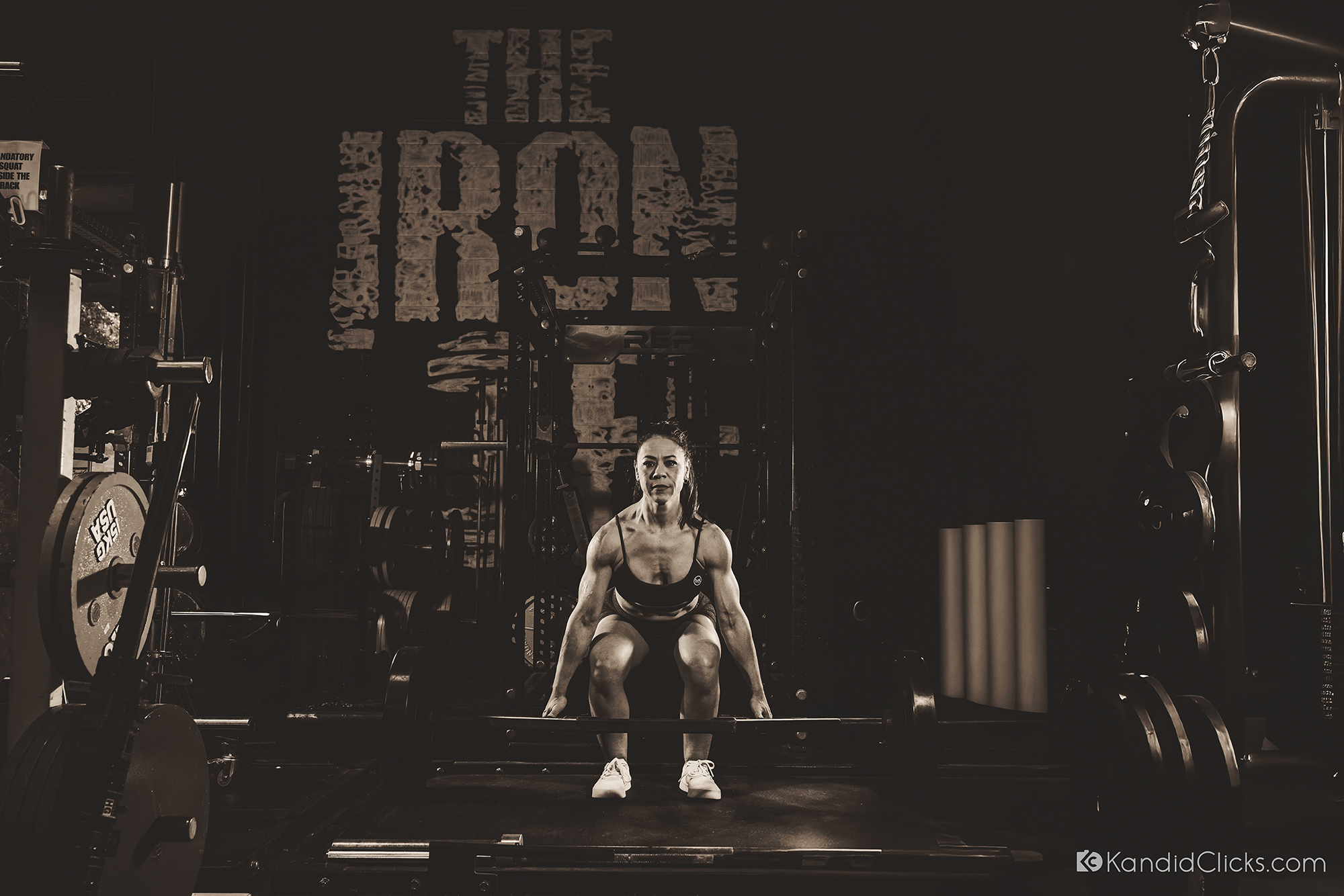
There is a fraction of a second in every martial arts match that contains everything. The precise moment a throw reaches full extension. The instant a submission is locked and the losing fighter’s face shifts from resistance to acceptance. The split second when a kick reaches its apex before the board cracks. That moment is what every martial arts photographer is chasing, and capturing it — sharply, cleanly, with the right light and the right composition — is one of the most technically demanding challenges in all of sports photography.
At Kandid Clicks Photography, we specialize in dramatic sports portrait photography in Phoenix, and our work with martial artists across the Valley has given us a deep understanding of what separates a great grappling action shot from one that misses the mark. Whether you are a BJJ competitor looking for images from your tournament, a martial arts academy that needs professional photography for its website and social media, or an athlete who wants dramatic portraits that capture the intensity of your training — this guide covers everything you need to know about martial arts photography, from camera settings and lens choice to timing, composition, and the specific demands of each combat sport.
Why Martial Arts Photography Is the Hardest Genre in Sports Photography
Ask any sports photographer which discipline challenges them most and a significant number will say martial arts. The reasons are stacked against you from the moment you walk into the gym.
Indoor martial arts venues dojos, academies, competition halls are almost universally lit with harsh overhead fluorescent or LED lights that create unflattering shadows, uneven illumination, and a color temperature that turns skin tones green or yellow in photographs. Unlike outdoor sports photography where natural light is a resource, indoor martial arts photography means you are fighting the environment as much as you are managing the action.
The action itself is among the fastest and most unpredictable in all of sports. A judo throw unfolds in under half a second from initiation to impact. A submission in BJJ can transition from a scramble to a locked position in a single breath. An MMA combination jab, cross, kick is over before most cameras can complete a burst. Martial arts do not follow the predictable rhythms of a basketball game or a football play. There are no set pieces, no scripted moments you can anticipate from the sideline. Every frame is a reaction.
And then there is the spatial challenge. Competition mats, cages, and rings are surrounded by other athletes, coaches, referees, spectators, and equipment. Getting a clean background behind two grappling athletes one that does not include a stray foot, a folding chair, or a tournament banner requires constant repositioning and an understanding of where the action is likely to go before it goes there.
This is precisely why great martial arts photography is so impressive when it lands and why the images that do capture these moments carry such power.
What Makes a Great Martial Arts Action Shot?
Before we get into technique, it is worth defining what we are actually trying to create. A great martial arts action shot is not simply a technically sharp photograph of a person doing a technique. It is an image that communicates something intensity, athleticism, the physical and psychological demand of combat to someone who was not in the room.
The best martial arts and grappling action shots share several qualities:
Peak action captured at the decisive moment
The apex of a kick rather than the wind-up or the follow-through. The submission locked rather than the scramble leading to it. The throw at full extension rather than the recovery. Henri Cartier-Bresson’s concept of the decisive moment the instant when form, action, and meaning converge applies nowhere more precisely than in martial arts photography.
Sharpness where it matters most
In a grappling sequence, the face of the athlete on the receiving end of a submission tells the story. In a striking sequence, the point of impact tells it. The human eye naturally goes to faces and points of contact first. Those elements need to be sharp, even when other parts of the frame are in motion.
A clean or contextually meaningful background
Competitive environments are visually chaotic. A great martial arts action shot controls the background either by positioning to find a clean angle, by using a wide aperture to blur the background, or by choosing a vantage point where the background adds context rather than noise.
Emotion and intensity
The physical technique matters, but the face of the athlete executing or receiving it is often what makes the image unforgettable. Determination, concentration, pain, triumph these expressions are what turn a technical action shot into a portrait of athletic character.
Light that reveals rather than flattens
The worst indoor sports photography looks flat and gray because the overhead lighting has no direction or drama. The best martial arts photography whether captured in competition or in a controlled training environment uses light to reveal the contours of the body, the texture of a gi, the sheen of sweat on a face.
Camera Settings for Martial Arts Photography: The Technical Foundation
Getting the technical settings right is not optional in martial arts photography. You cannot fix motion blur in post-processing. You cannot recover a soft autofocus miss. Here is what the settings need to do and why.
Shutter Speed: The Single Most Important Setting
In martial arts photography, your shutter speed is the variable that determines whether you freeze action or blur it. For most martial arts, a minimum of 1/1000 second is required to freeze fast-moving subjects. For the fastest actions a taekwondo kick at full extension, a judo throw mid-arc, a sprawl in wrestling you want 1/1250 to 1/2000 second.
The challenge is that higher shutter speeds require more light. In a well-lit outdoor session or studio setting with controlled flash, this is manageable. In a competition gym with fluorescent overhead lighting, hitting 1/1000 second often means pushing ISO to uncomfortable levels. The balance between shutter speed and ISO noise is the central tension in indoor martial arts photography.
For training sessions in a controlled studio environment which is where our dramatic sports portrait work takes place we use professional strobes that allow us to freeze motion at shutter speeds up to 1/1000 second while maintaining low ISO and optimal image quality. The results are night and day compared to available-light competition photography.
ISO: Managing Noise in Low-Light Indoor Environments
Modern mirrorless and DSLR cameras handle high ISO far better than they did a decade ago. The Canon R5 Mark II and Canon R6 Mark II that we shoot with at Kandid Clicks Photography produce clean, usable images at ISO 3200 and maintain acceptable quality at ISO 6400. For indoor competition photography with limited control over ambient light, do not be afraid to push ISO to 3200 or beyond a sharp image with some noise is always preferable to a clean image that is soft from motion blur or camera shake.
In noise-heavy images, Lightroom’s AI denoise feature recovers significant detail, so shoot at the ISO you need rather than compromising your shutter speed.
Aperture: Depth of Field and Subject Isolation
For martial arts photography, a wide aperture — f/2.8 to f/4 — serves two purposes. It allows more light to reach the sensor, which helps maintain faster shutter speeds in low-light conditions. And it creates shallow depth of field that separates athletes from cluttered backgrounds.
The risk of very wide apertures like f/1.8 or f/2 is that depth of field becomes extremely shallow in a two-athlete grappling sequence, one fighter may be in focus while the other is not, which can ruin an otherwise strong image. For most combat sports photography, f/2.8 to f/3.5 provides the optimal balance between background blur and sufficient depth of field to keep both athletes sharp.
Autofocus: The Setting That Separates Good from Great
Modern cameras’ autofocus systems are extraordinary, but they require the right configuration to perform in martial arts environments. Here is what to set:
AF mode: Use continuous autofocus — AI Servo on Canon systems, AF-C on Sony and Nikon — rather than single-shot AF. This keeps the camera tracking a moving subject rather than locking focus once and holding it.
AF area: Use a tracking mode or zone AF rather than a single-point system. In grappling, athletes move rapidly and unpredictably. A tracking system that follows the subject as it moves across the frame is far more reliable than trying to manually steer a single AF point in real time.
Back-button focus: Separating focus from the shutter button using back-button focus gives you far more control over when the camera is actively tracking versus holding. This becomes particularly useful in BJJ and wrestling photography where two athletes are often intertwined and the camera needs to track a specific face or body.
Burst Mode and Buffer Management
Burst mode is essential in martial arts photography not because you spray frames hoping one lands, but because the decisive moment in a throw or submission can span three to five frames at 15 frames per second. Shooting a burst around the peak of an anticipated action gives you the best chance of capturing the precise moment rather than the frame before or after it.
Be aware of your camera’s buffer. High-speed burst shooting fills the buffer quickly, and a camera that pauses to write data to the card is a camera that misses the submission. Use a fast memory card — UHS-II or CFexpress where your camera supports it and be strategic about when you shoot bursts rather than holding the shutter down continuously.
The Best Lenses for Martial Arts and Grappling Photography
Lens choice in martial arts photography depends on your position relative to the action and the type of shooting you are doing.
70-200mm f/2.8: The Workhorse for Competition Photography
The 70-200mm f/2.8 is the standard lens for most sports photography, and it earns that status in martial arts as well. At 70mm you can cover a full-body shot from a moderate distance; at 200mm you can compress the background and pull in tight on faces and contact points. The f/2.8 maximum aperture is useful in low-light competition environments. This is the lens to have on your camera during a BJJ tournament or MMA event.
85mm f/1.8 or f/1.4: Portrait and Training Session Work
For controlled training sessions and dramatic sports portrait work in the studio, an 85mm prime produces stunning results. The slightly narrower depth of field at f/1.8 creates that magazine-editorial separation between athlete and background that transforms a training image into a piece of art. At Kandid Clicks Photography, our dramatic sports portrait sessions use this kind of controlled prime-lens work to create images that look nothing like typical gym photography.
24-70mm f/2.8: Versatility for Tight Spaces
In smaller dojos or when you are positioned close to the mat, a 24-70mm f/2.8 gives you flexibility to cover wide establishing shots and tighter action frames without changing lenses. Less reach than the 70-200, but more versatile when you cannot step back.
50mm f/1.8: The Budget Option That Delivers
For photographers working with a tighter budget, a 50mm f/1.8 is remarkably capable for training photography in smaller spaces. The wide aperture handles low light well, and at 50mm you have a natural, undistorted perspective that flatters the human body.
Timing and Anticipation: The Skill That Cannot Be Bought
Gear matters, but the single greatest differentiator between adequate martial arts photography and exceptional martial arts photography is not the camera or the lens. It is the photographer’s ability to anticipate what is about to happen.
This is where a photographer who understands martial arts has a meaningful advantage over one who does not. Knowing that a de la Riva guard sweep typically transitions to an X-guard before the takedown means you are positioned and ready a full second before the decisive moment arrives. Knowing that a judo player who grips a specific lapel position is likely setting up an ippon seoi nage means your shutter is pre-positioned. Knowing that a wrestler who shoots a double leg from that angle will end up against the boundary of the mat means you are already there.
You develop this anticipation one of two ways: by training in martial arts yourself, or by spending hundreds of hours photographing martial arts and studying the patterns. Both paths lead to the same place a photographer who is never surprised by what happens on the mat, because they were already expecting it.
For athletes who want portraits from their training sessions, we always ask them to walk us through the sequences they want captured before we shoot them. Understanding the technique means we can position ourselves for the peak frame rather than reacting to it.
Composition for Powerful Martial Arts Action Shots
Technical sharpness gets you in the game. Composition is what wins the match.
The Rule of Thirds in Action Photography
Place your primary subject the face of the dominant athlete, the point of submission contact, the apex of a kick at one of the four power points where the thirds grid intersects rather than centered in the frame. This creates visual tension and dynamism that centered compositions lack. An athlete throwing a competitor whose body exits the right edge of the frame tells a story of dominance; the same image with both athletes centered looks like a documentary snapshot.
Lead Space and Directional Flow
In striking sports karate, taekwondo, kickboxing give the direction of movement space in the frame. A kick throwing toward the right edge of the image needs space to the right. Cutting off the direction of movement creates visual tension that reads as awkward rather than dynamic. The energy of the image should feel like it has somewhere to go.
Low and Wide for Ground Techniques
BJJ, wrestling, and judo ground work is photographed most powerfully from a low angle ideally at or just above mat level. This perspective puts you inside the action rather than looking down at it from above, and it isolates athletes against the clean sweep of the mat rather than the cluttered background of the venue behind them. Get low. Lie on the floor if you need to. The images from mat level are almost always stronger than those shot from standing height.
Tight on Faces During Submissions
When a submission is locked, pull tight on the face of the athlete being submitted. The expression in that moment the recognition of the position, the decision about whether to tap, the grimace of pain, the moment of acceptance is among the most psychologically revealing things a camera can capture in sport. That face tells the story of the entire match, compressed into a single expression.
Frame the Whole Story When You Can
Not every martial arts photograph needs to be tight. A wide shot that shows the mat, the referee, the other athletes in the background, the specific venue this establishes context. A sequence that moves from wide establishing shot to medium action frame to tight emotional portrait tells the complete story of a competition in three images. Think about your martial arts gallery as a narrative, not a collection of individual shots.
The Specific Demands of Different Combat Sports
Not all martial arts photography works the same way. Here is how the approach shifts across the disciplines.
Brazilian Jiu-Jitsu Photography
BJJ is largely a ground-based grappling art, which means most of the decisive action happens at mat level. Competition lighting in BJJ tournaments ranges from adequate to actively hostile. The action is highly technical and often reads as two people lying on top of each other to an untrained observer the difference between a great BJJ photograph and a confusing one is almost entirely about position and timing. You need to be low, you need to anticipate transitions, and you need to know what a locked submission looks like before it happens so you are ready for the expression it produces.
Wrestling Photography
Wrestling generates explosive takedown action that is among the most dynamic in all of combat sports. Double-leg takedowns, single legs, sprawls these moves produce full-body extension that photographs beautifully from the right angle. Wrestling photography rewards anticipation even more than BJJ, because takedown setups are often telegraphed a beat before they fire.
MMA Photography
Mixed martial arts photography requires versatility standing striking, clinch work, ground-and-pound, submissions all in the same round. Position is critical: you need a vantage point that gives you coverage of both the striking range and the ground. Cage-side photography, where permitted, allows close access and a distinctive background the cage itself creates natural framing for images shot through or around it.
Karate and Taekwondo Photography
Striking arts are all about the peak of the kick or punch that split-second where the technique is fully extended before it retracts. 1/2000 second shutter speed is your friend here. The action is faster than grappling in terms of individual technique duration, which means your burst timing needs to be more precise. The payoff is extraordinary: a perfectly captured spinning heel kick at full extension is one of the most visually dramatic images in all of sports photography.
Judo Photography
Judo throws ippon seoi nage, harai goshi, osoto gari produce spectacular full-body aerial moments when they hit cleanly. The challenge is that the decisive moment of a judo throw lasts less than a quarter of a second. Pre-position yourself based on the grip fighting, anticipate the throw that is being set up, and have your burst running before the action begins.
Dramatic Sports Portrait Photography vs Competition Photography
There is an important distinction between two kinds of martial arts photography that are often conflated, and understanding it helps you know which approach is right for your goals.
Competition photography documents events as they happen tournaments, matches, sparring sessions. It is reactive, shot in whatever light the venue provides, and its value is in capturing real moments from real competition. It is honest, gritty, and authentic.
Dramatic sports portrait photography creates controlled, intentional images of athletes and their skills, typically in a studio or controlled outdoor environment. It uses professional lighting, planned poses and sequences, and multiple setups to build a library of powerful images that represent the athlete at their absolute best.
At Kandid Clicks Photography, our dramatic sports portrait sessions are built around the second approach. We work with martial artists to plan the techniques and sequences they want captured, we build the lighting to create the editorial feel that makes these images look like they belong in a magazine, and we deliver a gallery that an athlete can use across their social media, their personal brand, their competition profile, and anywhere else they want to present themselves at the highest level.
Our dramatic sports portrait pricing is built to make professional martial arts photography accessible to serious athletes at every level, not just professionals.
How to Photograph Martial Arts in Low Light: The Indoor Challenge
Indoor martial arts venues are the most common and the most difficult environment in combat sports photography. Here is a practical framework for making the best of whatever lighting you encounter.
First, assess the light before you start shooting
Walk the venue. Identify where the lighting is most even and where there are dead spots. Note which direction the overhead fixtures are running relative to the mat. Position yourself where athletes will be lit from the side or slightly in front rather than from directly above, which creates harsh shadows under the eyes and nose.
Set your floor for shutter speed first, then adjust ISO accordingly
In most indoor venues with overhead fluorescent lighting, you will be shooting at ISO 1600 to 6400 depending on the brightness of the space. Accept this before you start and work within it rather than compromising shutter speed.
White balance
Fluorescent and LED competition lighting creates color casts typically green or cool blue that look unflattering on skin tones. Shoot in RAW so you have full control over white balance in post, and set a custom white balance in-camera using a gray card or the venue’s lighting if your workflow allows it.
Flash photography
Flash is generally prohibited at martial arts competitions for safety reasons a flash burst during a throw or submission can disorient an athlete with serious consequences. Never use flash at a live competition. In a controlled portrait session, professional strobes freeze motion beautifully and are the primary reason our dramatic sports portraits look so different from competition photography.
Why Martial Arts Gyms and Academies Need Professional Photography
If you run a martial arts academy in Phoenix or the surrounding Valley, the photography on your website and social media is doing a significant amount of the work of convincing potential students to walk through your door. Generic stock photography or low-quality phone snapshots communicate something about your academy unfortunately, not something you want communicated.
Professional martial arts photography for a gym or academy delivers several things simultaneously. It shows prospective students what training actually looks like in your space — the energy, the instruction quality, the atmosphere. It creates content for social media that performs significantly better than text posts. It gives instructors and senior students images for their own personal branding and social profiles. And it establishes the visual identity of your academy across every platform where it appears.
Our event photography services cover martial arts academy events, tournaments, belt promotions, and seminars. If you want to document a specific event for your academy’s marketing, we bring the same technical capability and understanding of martial arts to event coverage that we bring to our portrait sessions.
Sharpening
Combat sports images need selective sharpening the face and point of contact should be crisp; areas of intentional motion blur in the background or peripheral elements can remain softer. Over-sharpening an entire image produces a crunchy, over-processed look that reads as amateur.
Noise reduction
High-ISO indoor competition photography will have noise. Modern AI-powered noise reduction in Lightroom and Capture One preserves edge detail while smoothing luminance noise far more effectively than traditional noise reduction. Use it on indoor competition shots without hesitation.
Color grading
The color treatment of martial arts images shapes their emotional register. Cool, desaturated grades feel gritty and documentary. Warm, punchy grades feel energetic and triumphant. High-contrast black and white conversions emphasize form, sweat, and intensity in a way that color sometimes obscures. At Kandid Clicks Photography, we edit our dramatic sports portraits to match the visual identity of each athlete’s personal brand the color grading that works for a Brazilian Jiu-Jitsu black belt’s portfolio is different from what works for a competition taekwondo team’s social media.
Cropping for impact
Competition photography often captures wide frames that need to be cropped for the most powerful composition in the final image. A decisive submission captured in a wide environmental frame can be transformed by cropping into a tight, emotional close-up. Always keep cropping options in mind when shooting a slightly wider capture gives you more flexibility in post.
What to Look for in a Martial Arts Photographer in Phoenix
If you are searching for a martial arts photographer in Phoenix for your tournament, your academy, or your personal brand, here are the qualities that separate a photographer who can deliver on the demands of combat sports photography from one who cannot.
Understanding of the sport
A photographer who understands the techniques, the rules, and the rhythms of BJJ, MMA, or your specific martial art will anticipate moments rather than react to them. Ask your photographer what sports they have covered and whether they train or have trained themselves.
A portfolio that demonstrates low-light indoor capability
Request to see images specifically from indoor competition environments, not just controlled studio sessions. The technical demands are completely different, and a photographer whose portfolio shows clean, sharp images from both environments has demonstrated the range you need.
Professional equipment
Martial arts photography requires cameras with fast, reliable continuous autofocus and burst rates. It requires lenses with wide maximum apertures. A photographer shooting a martial arts event with a consumer-grade kit lens at f/5.6 in an indoor gym will not produce professional results regardless of their skill level.
A clear process for delivery and licensing
How will images be delivered? In what formats and resolutions? What are you licensed to do with them print, publish, use commercially? Professional photographers have clear answers to these questions before the session.
At Kandid Clicks Photography, our dramatic sports portrait sessions are built specifically for athletes who want professional-level imagery for their brand. If you are a competitive martial artist in Phoenix looking for images that communicate your level and your commitment, our sports portrait photography gives you the full picture of what a session with us looks like — from the planning conversation through to your delivered gallery.
Candid vs Posed: Building a Complete Martial Arts Photography Library
The most effective martial arts photography libraries combine both approaches rather than relying on one exclusively.
Candid action images competition photography, training session documentation, authentic moments from the mat provide authenticity and proof. They show that the techniques are real, the competition is serious, and the athlete or academy is genuinely engaged in the sport.
Posed dramatic portrait photography provides polish and impact. These are the images that stop the scroll on Instagram, that make a website homepage feel authoritative, that an athlete can use as a press photo or a competition profile image. The controlled environment means the light is perfect, the athlete is at their best, and every technical element of the image is optimized.
Together, these two types of imagery tell the complete story of a martial artist or a martial arts academy the gritty reality of training and competition, and the aspirational vision of excellence that that training produces.
Martial Arts Photography FAQs
What camera settings are best for martial arts photography?
The most important setting is shutter speed use a minimum of 1/1000 second for most martial arts, and 1/1250 to 1/2000 for the fastest techniques like spinning kicks and judo throws. Set continuous autofocus with subject tracking. Use a wide aperture, typically f/2.8 to f/4, to let in light and separate subjects from backgrounds. Adjust ISO to whatever is needed to maintain your shutter speed in indoor environments, ISO 1600 to 6400 is common and acceptable on modern cameras.
What is the best lens for martial arts photography?
A 70-200mm f/2.8 is the most versatile choice for competition photography, giving you reach and a wide enough aperture for indoor light. For controlled training sessions and portrait work, an 85mm f/1.8 or f/1.4 produces stunning results. A 50mm f/1.8 is an excellent budget option for smaller spaces.
How do you capture sharp action shots in indoor martial arts venues?
Prioritize shutter speed above everything else 1/1000 second minimum. Use continuous autofocus with tracking. Accept higher ISO values rather than reducing shutter speed. Position yourself where the available lighting falls most evenly on the athletes. Shoot in RAW so you have maximum flexibility in post-processing to recover noise.
What makes a great BJJ grappling photography shot?
Get low mat level or just above it. Anticipate transitions between positions so you are ready before the decisive moment. Focus on faces during submissions, because the expression tells the emotional story. Use a wide aperture to separate athletes from the background. Know enough about BJJ to recognize when a position is approaching its decisive moment.
Can you photograph martial arts with flash?
At live competitions, flash photography is almost always prohibited for safety reasons it can disorient athletes during techniques and cause injury. In controlled training sessions or studio portrait environments, professional strobes are not only acceptable but highly desirable, as they allow you to freeze motion at fast shutter speeds while maintaining low ISO and optimal image quality.
How long does a dramatic sports portrait session for martial arts take?
Our dramatic sports portrait sessions at Kandid Clicks Photography typically run 60 to 90 minutes for an individual athlete, and up to two hours for a group or team session. Within that time we cover multiple setups different techniques, different lighting moods, individual portraits and action sequences so the delivered gallery gives you comprehensive coverage across multiple uses.
What should martial arts athletes wear for a portrait session?
For gi-based arts like BJJ, judo, and karate, bring your gi in the best condition you have freshly washed and pressed. For no-gi sessions, wear compression shorts or spats and a rash guard in solid or subtly branded colors. Avoid complex patterns that will compete visually with the image. Bring any belts, medals, or competition gear that is part of your identity as an athlete. For MMA and striking arts, gloves, hand wraps, and any distinctive personal gear all add character to the portrait.
How do I book a martial arts photography session in Phoenix?
Contact Kandid Clicks Photography with details about your martial art, the type of session you want competition coverage, training documentation, or a dramatic sports portrait session and your timeframe. We will talk through the right approach and build a session plan around your goals.
Book Your Martial Arts Photography Session in Phoenix
Whether you are a competitive BJJ athlete who wants images from your next tournament, a martial arts academy in Phoenix that needs professional photography for its website and social media, or an individual martial artist who wants dramatic portrait images that capture the intensity of your training Kandid Clicks Photography is the grappling photographer Phoenix athletes trust.
We serve athletes and academies across Phoenix, Goodyear, Scottsdale, Tempe, Mesa, Surprise, Avondale, Buckeye, and the surrounding Valley. Our understanding of combat sports, our professional lighting setup, and our experience photographing athletes across disciplines means your images will look like nothing else in your sport’s local photography landscape.