

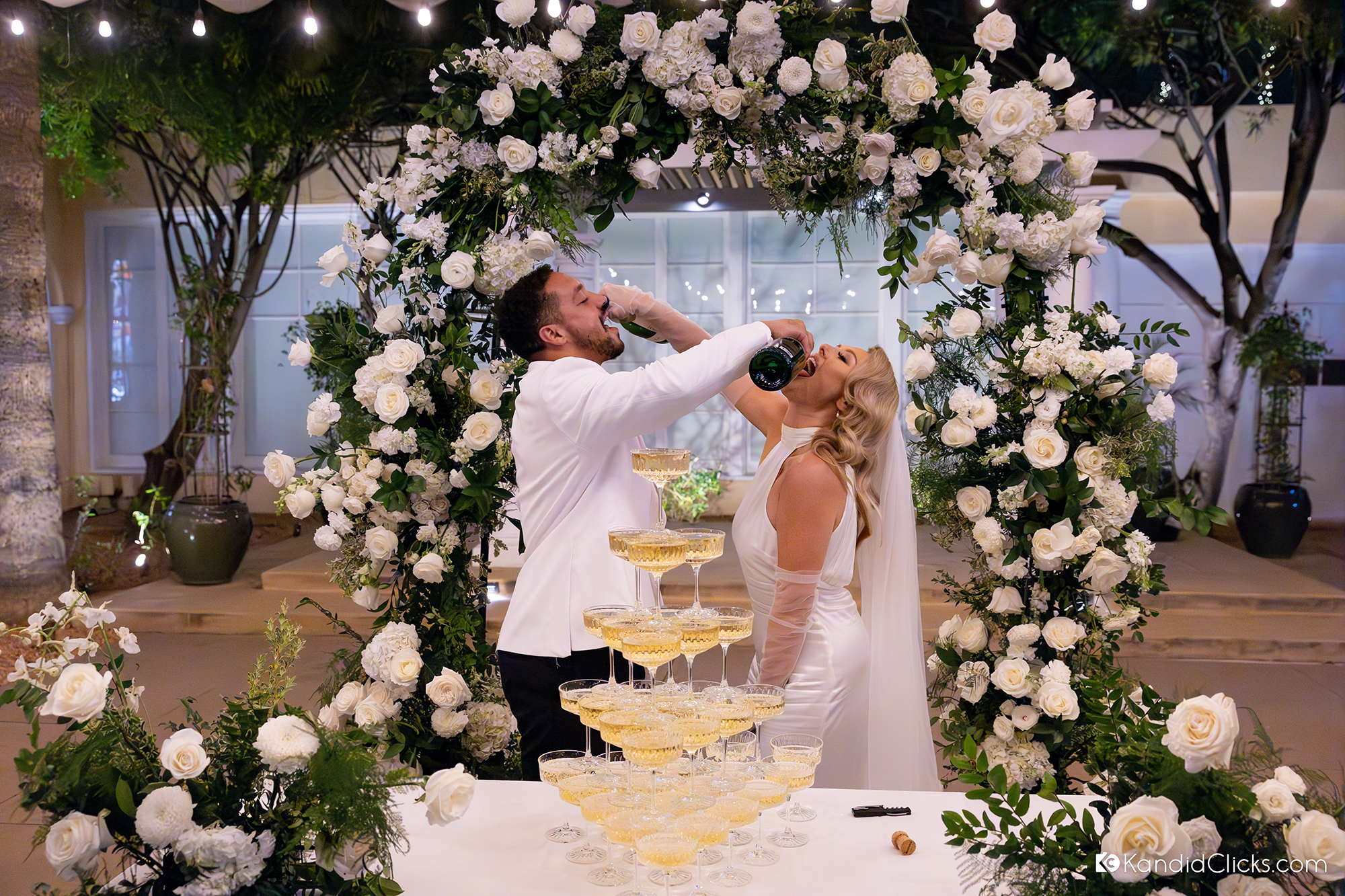
Choosing a wedding photography style is one of the most important decisions you’ll make in planning your big day. It shapes the look and feel of your final album – from the tone of each image to how your story unfolds. Think of your photographer as an artist: their style reflects how they compose shots, use light, and edit images. Will you have crisp, posed portraits or soft, spontaneous moments? The style you pick should reflect you – your personalities, your wedding vibe, and the emotions you want to relive every time you open your photo album. For example, a photographer in a documentary (photojournalistic) style will keep a low profile and capture real, unstaged moments, while an editorial-style shooter will arrange you like a high-fashion magazine cover with bold poses and lighting. The right fit will make your photos feel authentic to your day.
Style shapes your story. When you imagine your wedding photos, consider the mood. Do you picture timeless, formal portraits with the whole family looking at the camera? Or do you dream of laughing with your partner in natural light, without ever saying “cheese”? Modern couples often blend both: a few classic posed shots for Grandma’s wall, plus many candid images that capture genuine laughter and tears. In fact, as one industry expert notes, most couples’ galleries end up a fusion of styles – perhaps 40% classic posed and 60% candid storytelling – giving them the best of both worlds. Whichever approach you favor, make sure it feels true to you. The style you choose will echo in every picture, so it’s worth taking the time to understand the differences.
Your wedding photos should capture your day in a style that feels like you. Whether you lean toward posed glamour or natural candids, your photographer’s “vision” will give your album its mood.


Why Photography Style Matters When Planning Your Wedding
Your chosen photography style will dramatically affect every aspect of your final gallery. A traditional style yields formal, classic portraits of the bride, groom, and family, whereas a documentary style yields a fluid, candid visual story of the day. If you pick a fashion-inspired editorial style, you might find yourself posing dramatically against a sweeping backdrop; if you pick lifestyle or boho, you might be dancing joyfully with guests or strolling naturally through a meadow. Each style also comes with different expectations about posing, time, and mood.
Ultimately, your photography style should resonate emotionally with you. It should match your personalities: for example, shy or reserved couples often prefer a more photojournalistic/documentary approach, which captures genuine expressions without too much direction. In contrast, couples who adore fashion, glamour and structured poses might gravitate to an editorial or fine art style. The goal is that years later, when you look at your wedding photos, they’ll take you right back to how you felt. A whimsical, “light and airy” series might feel romantic and dreamlike, while a high-contrast, black-and-white image might feel dramatic and timeless. Choosing the right style helps ensure your wedding album feels like the unique story of you and your partner.
If you’re curious about the many possibilities, explore our Phoenix Wedding Photographer: Ultimate Guide for more on styles and planning. And when you’re ready, view our wedding portfolio to see how different styles look in real weddings.

Core Wedding Photography Styles
Each major wedding photography style offers a different look and vibe. Below we break down the core styles, including how they work, who they suit, and what to expect.

Traditional Wedding Photography
Traditional (or classic) wedding photography emphasizes posed portraits and significant formality. The photographer guides you and your party into structured poses: think the whole family arranged for a group shot, everyone looking at the camera or in a precise formation. Shots are crisp and polished, with attention to perfect lighting and composition.
-
Pros: You’ll get all the “must-have” shots – full family photos, formal portraits of the couple, bridal party lines, cake cutting, first kiss, etc. The images look timeless and elegant. Relatives who expect the classic smiling-at-camera portrait will love it.
-
Cons: It can feel a bit stiff or “posed,” especially if you’re not used to being in front of the camera. It may take more time during the wedding day to arrange all the formal group photos, which can eat into candid time.
-
Ideal for: Couples who love tradition and want everyone included in the photos. If you have many older family members or guests who expect formal pictures, this style is a safe bet.
-
Visual tone: Bright and sharp. Traditional photos typically have natural, true-to-life colors and very little creative editing. The background might be a lush garden, grand hall, or classic church altar, but the focus is on clean composition and everyone looking perfect.
-
Misconceptions: Some think “traditional” means boring, but many couples mix just a few posed shots with a looser documentary style. Even “formal” shots can look natural if done by a talented photographer – modern traditional photography often blends a bit of personality into posed shots.

Editorial-Style Wedding Photography
Editorial wedding photography brings the drama of a fashion magazine to your wedding day. Imagine images with a cinematic flair: the bride in her gown on a skyscraper rooftop, the couple gazing off-camera as if in a movie scene, or a groom sharply lit against a dark studio-like background. The photographer often poses and styles the couple carefully, using dramatic lighting and creative techniques to make each shot “pop”.
-
Pros: Your photos will be glamorous and sophisticated. Every detail (the dress, the ring, the decor) is showcased artistically. This style is fun if you enjoy playing the part of models and don’t mind taking a little direction for the perfect shot. You’ll have a collection of “wow” images that look straight out of Vogue.
-
Cons: It usually takes more time and coordination. You’ll spend part of the day being styled and posed, and not every candid moment will fit this aesthetic. It also requires good lighting conditions or additional flash/studio lights.
-
Ideal for: Couples with a flair for fashion or a dramatic vibe – maybe you’re having a chic city wedding or a black-tie affair. If you love editorial photography in magazines, you’ll probably love this look.
-
Visual tone: Glossy and polished. Think bold contrasts, rich colors (or even moody black-and-white), and impeccable composition. Many editorial photos use strong off-camera flash or stylized lighting setups to achieve a high-end feel.
-
Misconceptions: Editorial style doesn’t have to be stiff. A good photographer will make even posed shots feel natural and heartfelt. Also, don’t confuse editorial with only formal – you can be editorial and still have some candid moments; it just focuses on imagery that could belong in a fashion spread.

Photojournalistic/Documentary-Style Wedding Photography
Documentary (also called photojournalistic or storytelling) wedding photography is about capturing the authentic moments as they happen. Imagine your photographer as a “fly on the wall,” stepping back and letting the day unfold. They give almost no direction, instead quietly snapping real, unposed expressions: the groom’s reaction when he first sees you, a child’s genuine laugh on the dance floor, or a shared glance between you two under the canopy.
-
Pros: You get an honest, emotional narrative of your wedding. The images feel natural and personal – as Vanessa Joy explains, documentary photos turn your album into a storybook rather than a list of static portraits. It’s wonderful if you don’t like posing or if you simply want to be present at your wedding.
-
Cons: Fewer formal group shots – if you want everyone smiling at the camera, you’ll need to make a point to do that. You might miss a perfectly posed family photo. Also, because it relies on real moments, unpredictable things can happen (like an unexpected gust of wind or a blurred shot) – which are part of the charm for this style.
-
Ideal for: Couples who prefer to live in the moment and want their true personalities on display. If you’re nervous about being told how to stand or look, documentary style lets you relax and enjoy your day. It’s also great if you have a story to tell (elopements, surprise proposals, multicultural ceremonies, etc.) and want every detail preserved.
-
Visual tone: Candid and natural. The focus is on emotion and atmosphere rather than perfection. Photos often have a gentle, timeless quality – colors are true to life, and imperfections (like a little motion blur or grain) can even add to the authenticity.
-
Misconceptions: Some think documentary means “just snap everything and you’ll get a good picture.” In reality, skilled documentary photographers anticipate moments and still compose beautifully – they just do it without interrupting the scene. Also, “photojournalistic” and “documentary” are often used interchangeably; both emphasize candid images over posed ones.

Lifestyle Wedding Photography
Lifestyle wedding photography is a more flexible, blended approach that focuses on natural moments but isn’t bound by one single look. In practice, a lifestyle photographer might mix styles throughout the day: a bit of posed portraiture (with relaxed direction), some editorial-inspired shots, and plenty of candid coverage. The key is an overall organic, free-flowing feel.
Chris Lang, an experienced photographer, explains that lifestyle photography is “an attitude to create individual styles that reflect the personalities of my clients” – meaning the photographer adapts to you, not the other way around. You might see brightly lit images like a magazine shoot during the formal portraits, and then fun, documentary-style shots during the reception.
-
Pros: It’s very personalized. You get a bit of everything – some glam, some candids, all suited to your vibe. If you want variety and want your album to feel unique, lifestyle photography offers that. It also feels natural, not forced.
-
Cons: Because it’s so broad, it requires a photographer who’s skilled in multiple techniques. Be sure to look at a full portfolio to make sure you like their range of images.
-
Ideal for: Couples who can’t or don’t want to be put in one box. Maybe you want formal shots with Grandma and you want to dance crazy on the dance floor. Lifestyle photography covers all that by using whatever style best fits each moment.
-
Visual tone: A mix. You might see a softly lit, airy bridal portrait right next to a raw, high-contrast party shot. Colors, lighting, and posing vary by the moment, but the unifying thread is authenticity – even posed images will have a relaxed vibe.
-
Misconceptions: Some say “Isn’t every wedding photographer using multiple styles now?” That’s partly true – most modern pros adapt their approach to different parts of the day. Lifestyle is about intentionally blending styles for a couple’s story, rather than sticking strictly to one look.

Fine Art Wedding Photography
Fine art wedding photography is all about treating your images as works of art. In a fine art shoot, the photographer carefully composes each shot like a painter – paying exquisite attention to framing, light, and color harmony. The result feels elegant, often almost like a living painting or a page from a beautiful magazine.
Dana Cubbage, a fine art photographer, notes that most wedding photographers today fall under the “fine art” umbrella simply because they focus on creating a visually artistic story. In fine art style, you’ll often see:
-
Elegant styling and composition: The photographer might direct subtle poses, place props, or find scenic locations so that every element in the frame looks deliberate. It’s not about stiff formality, but about artistic beauty.
-
High aesthetic polish: Images often have a soft, dreamy quality. This could mean shooting with shallow depth of field (a blurry background with your sharp face front and center), or using natural light through a window for a glowing effect.
-
Photographer involvement: Contrary to pure documentary style, fine art shooters often participate in creating the scene. They might ask the bride to hold her veil a certain way or the couple to stand by a specific flower arrangement – all to enhance the artistic effect.
-
Film or digital with artistic edits: While fine art is often associated with film (because of the classic look of film photography), it really comes down to the vision. A fine art photographer will edit images with a particular aesthetic in mind – for example, giving all photos a cohesive color palette or a subtle sepia tone, or keeping everything very soft and light.
-
Ideal for: Anyone who loves romantic, “storybook” imagery. Fine art style is popular for destination weddings, styled bridal shoots, or upscale events where every detail (dress, bouquet, decor) deserves to be captured beautifully.
-
Misconceptions: Fine art isn’t a separate science – it largely overlaps with editorial and modern portraiture. Dana Cubbage even says it’s basically interchangeable with editorial style in terms of approach. At its core, fine art photography simply means the photographer views and treats your wedding photos as a piece of art.

Film Wedding Photography
Film photography has made a comeback among modern couples looking for a classic, timeless look. Film wedding photography means shooting with analog film cameras (like 35mm film), which produces images with unique grain, color depth, and texture that many digital cameras can’t quite replicate.
Pinterest notes that the trend for film is soaring: couples are embracing the “grainy, perfectly imperfect” film aesthetic because it feels intimate and authentic. Film often has warm, nostalgic tones; skin looks creamy and luminous; and there’s a gentle organic grain throughout.
-
Pros: Film has a distinctive, dreamy quality that screams “timeless.” Many brides love the idea of having a vintage-flair album. It naturally softens highlights and gives an ethereal glow to skin and fabrics.
-
Cons: Film shoots usually cost a bit more (because film and processing aren’t cheap), and you get fewer shots (each roll of film holds only so many exposures). You also have to wait for the lab to process the film, so no instant previews.
-
Ideal for: Couples who appreciate a classic, heirloom aesthetic. If you want photos that look like they could have been taken decades ago, or if you cherish nostalgia, film is a beautiful choice.
-
Visual tone: Soft and analog. Colors can be muted or warm, and highlights often have a glow (especially with film stocks like Kodak Portra or Fuji 400H). There’s usually a pleasant grain visible, giving a slightly textured look that many find charming.
-
Misconceptions: Some worry film means serious limitations. While it does require more planning, many photographers use a mix (shooting some film, some digital) to ensure you get both the film look and the flexibility of digital.

Candid Wedding Photography
Candid photography is often mentioned alongside documentary style, and for good reason: they both emphasize unposed, spontaneous moments. However, “candid” specifically means the photos look like they were caught off-guard (even if the photographer is actively looking for them). A candid-style photographer will literally say very little on the day of the wedding, instead choosing to capture people interacting naturally.
-
Pros: Candid photos often capture true smiles, laughter, and raw emotion. They can be surprising and delightful, because you see things exactly as they happened.
-
Cons: Similar to documentary, you might not get every formal shot you envisioned unless you schedule them. Also, candid photos can sometimes be blurry or imperfect – but many couples love that “realness” and accept it as part of the charm.
-
Ideal for: Couples who hate posing, or who really want a “fly on the wall” record of their day. Great for lively weddings where people forget the camera is there.
-
Visual tone: Organic and lively. There’s no one set look for candid photos – they might be color or black-and-white, close-up or wide – but they all feel in the moment. You might have a blurred shot of the bride spinning or a tight close-up of tears on grandma’s cheek; it’s all about genuine emotion.
-
Misconceptions: Some think candid means “underexposed” or “bad focus” – not necessarily. A skilled candid photographer still uses good technique (clear focus, nice composition) but is simply aiming for naturalness.
Whether your wedding is a formal event or a bohemian backyard party, there’s a photography style that fits. Shown here: a playful candid moment at a fun reception. Couples who cherish genuine, unposed images often love this documentary/candid approach.


Creative & Emerging Wedding Photography Styles
Beyond the classics, new trends and niche styles keep popping up. These creative approaches can add unique flavor to your wedding story if they fit your personality and theme. Here are some popular and emerging styles to consider:
Boho / Bohemian Style
Boho wedding photography captures the free-spirited, nature-loving vibe of a bohemian wedding. Think earthy, relaxed, and whimsical. Photographers shooting boho style focus on natural settings (forests, deserts, gardens), often with couples wearing floral crowns or flowy outfits. The editing tends to use warm earthy tones or dusty pastels, emphasizing a sun-kissed, romantic look.
-
Visual cues: Flower crowns, macrame backdrops, vintage rugs, wildflowers, and plenty of greenery. The couple might have an unplugged ceremony under a tree or picnic-style reception. The images themselves have soft light and organic colors.
-
Key elements: Earthy tones, soft light, and real moments. One photography studio describes boho style as “all about earthy tones, soft light, and real, unposed moments”. In other words, boho photos feel unforced and authentic, as if you’re capturing the day through a gentle, dreamy haze.
-
Ideal for: Outdoor or nature-themed weddings, especially if you value authenticity and a relaxed atmosphere. If you love the bohemian aesthetic (hats, lace, wood, stone) and want your photos to reflect that vibe, this style fits perfectly.

Artsy Wedding Photography
Artsy (or artistic) wedding photography is all about creativity and expression. In an artsy shoot, the photographer treats your wedding like an art installation or conceptual piece. This style often involves playful or experimental techniques:
-
Techniques: Double exposures (two images superimposed), creative silhouettes, reflections, unusual framing, lens flares, and intentional blur or selective focus on quirky details.
-
Expression over polish: As Pinterest’s 2025 trend report notes, “the more artistic the photographer’s approach, the better”. Artsy couples embrace creative freedom – they don’t mind if one photo is blurred or shows motion, as long as it feels emotional and meaningful.
-
Ideal for: Couples who want something truly unique and don’t mind if the result isn’t “perfect.” This style is often chosen by the artistic at heart – think painters, dancers, designers – who want their personality to shine through every shot.
-
Misconception: Artsy doesn’t mean you’ll only get crazy experimental photos. It simply means the photographer will include some unconventional shots alongside more normal ones.

Modern Fashion Style
Modern fashion–inspired wedding photography is very similar to editorial style but often taken even further into the realm of haute couture. Here, the wedding is treated almost like a high-fashion runway show:
-
Key features: Trendy poses, bold wardrobe choices (perhaps a non-traditional gown or tuxedo), and dramatic makeup or accessories. The photographer’s job is to make you look as if you stepped out of a fashion magazine spread.
-
Visual tone: Often high-contrast, vibrant color or stark black-and-white. The emphasis is on you as style icons, rather than on the overall story of the day.
-
Ideal for: Fashion-forward couples and city weddings. If you want your wedding photos to look like they belong in a style editor’s portfolio, this approach suits you.
-
Overlap: In practice, fashion and editorial styles overlap a lot. A photographer calling themselves “fashion style” is usually just an editorial photographer who loves glamour shots.

Paparazzi-Inspired Wedding Photography
Paparazzi style is a fun, edgy trend inspired by celebrity photography. The idea is to make wedding photos look like candid shots of A-listers on the street or in a hidden-away moment.
-
Look and Feel: High contrast, some images in black-and-white, and often taken with a wide-angle or telephoto lens from a distance. The photographer might use on-camera flash to mimic the look of paparazzi cameras at night. Shots might include the couple ducking into a limousine, laughing on an alley stoop, or interacting in a raw, impromptu way.
-
How it’s done: The photographer stays largely invisible and captures moments as if spying from behind a veil. There’s no posing – even bridesmaids and groomsmen just mingle naturally while the photographer snaps away.
-
Ideal for: Couples who want an urban, chic vibe, especially if their wedding is in a city. It suits modern, glamorous weddings and even elopements where the couple wants to feel like movie stars.
-
Candid & Raw: This style is all about real, in-the-moment feelings with a glamorous twist. As one source notes, paparazzi-style photography is ideal for those “who seek out natural, spontaneous images that feel authentic, raw and in the moment”.
-
Misconception: Despite the name, it’s still professional photography – just creatively styled. You won’t end up looking disheveled; the idea is that even a quick, candid smirk or glance looks incredibly cool on film.

Wedding Content Creator Style
With social media at the forefront of our lives, a new wedding photography “trend” is the rise of content creator–style coverage. Some couples now hire photographers specifically for social media content – think TikTok reels, Instagram-ready photos, and behind-the-scenes “vlogs” of the day.
-
What it means: Beyond traditional photos, this style often includes video clips (like short highlight reels), and staged vs. candid images designed to be shared online. For example, the photographer might shoot a stylized Instagram moment (your first kiss with a choreographed confetti drop) and then quickly pivot to filming guests saying a quick congratulatory message.
-
Social Media Focus: Images and clips are often bright and flashy, with an eye toward what will get likes and shares. There might be more posed “picture perfect” shots at an instagrammable backdrop.
-
Ideal for: Couples who love social media, influencers, or younger couples who want to share their wedding live. If your top priority is getting great IG and TikTok content, look for a photographer who markets themselves as a “wedding content creator.”
-
Trends: According to a recent trend report, as online sharing grows, many couples are “turning to wedding content creators for effortlessly shareable, social media-ready content — everything from Reels to raw, behind-the-scenes shots”.

Cinematic Wedding Photography
Cinematic wedding photography aims to make your album look like frames from a movie. This style borrows techniques from filmmaking: dramatic lighting, carefully composed wide shots, and rich color grading.
-
Features: Deep, “teal-and-orange” color palettes or warm golden-hour tones. Moody landscapes or sweeping backgrounds (like a desert or mountain at sunset) often play a role. Photographers may guide couples through a series of intentional “scenes,” such as walking hand-in-hand through a grand hallway, or spinning under twinkling lights.
-
Emotional pacing: Just as a movie has a story arc, cinematic photography focuses on creating a series of shots that build emotion. One shot might feel intimate and slow; the next might have high energy (like throwing confetti) — together they make your wedding album feel like a short film.
-
Ideal for: Epic outdoor weddings, ranch or castle venues, or any couple who loves the drama of the big screen. If you watch romance movies and think “I want that for our photos,” this is your style.
-
Trend: Cinematic images are increasingly popular. Pinterest reports that couples are drawn to “rich tones, dramatic lighting, [and] immersive landscapes” that look like stills from a romance movie.

Lighting, Editing & Color-Based Styles
Sometimes photographers describe their style by the mood of their edits or lighting choices. These aren’t separate shooting styles per se, but they greatly influence the final look of your photos. Here are some popular editing/lighting moods:
Light and Airy Style
Light and airy photography is characterized by a soft, romantic glow and an abundance of natural light. The images have a dreamy, pastel quality:
-
Look: Whites are bright, shadows are minimal, and colors are gentle (pale pinks, light greens, soft golds). It often feels like there’s a slight haze or glow over the photo.
-
Atmosphere: Ethereal and joyful. It emphasizes happiness and freshness. Even dark scenes (like a church interior) will be lightened; the overall vibe is very positive and clean.
-
How it’s achieved: Shoot in bright sunlight or well-lit interiors. In editing, photographers raise exposure and often add a hint of warmth. Contrast is kept low, and highlight areas might even have a slight glow (like backlight on hair or flowers).
-
Ideal for: Spring/summer weddings with lots of flowers and sunshine. If you want your photos to look like fluffy clouds or you love the Pinterest aesthetic of pale, dreamy images, this style fits. It’s very popular with outdoor weddings and for showing off pastel color palettes.
-
Trend: Recently, light & airy has been a beloved choice among brides. As one trend guide puts it: “Dreamy, air-filled wedding photographs seem to have found a special place in couples’ hearts… soft glow, delicate tones, and ethereal quality”.

Dark and Moody Style
On the opposite end is dark and moody wedding photography. This style uses deep shadows and rich colors to create an intense, dramatic look.
-
Look: Think jewel-toned color palettes (emerald green, burgundy, navy) or even black-and-white. Many images will have very dark areas and strong contrast. For example, a portrait might show only half of the couple’s faces lit, with the rest in shadow for a mysterious vibe.
-
Atmosphere: Emotional and intimate. Dark & moody conveys a sense of romance with an edge. It can feel gothic-chic, rock-n-roll, or simply very cinematic.
-
How it’s achieved: Use low or directional lighting. In editing, colors are desaturated or deepened, and blacks are rich. Highlights are controlled (no blown-out whites) and contrast is high. Natural light is used strategically to create shadows and depth, or artificial lighting (like a single flash) might highlight just your face.
-
Ideal for: Autumn or winter weddings, or for couples who favor bold, dramatic visuals. It works beautifully in old buildings, forests at dusk, or any setting where you want an intimate, stylized aesthetic.
-
Quote: One photographer notes that “dark and moody” imagery is “often characterized by rich, deep colors [and] dramatic lighting”, focusing on emotional storytelling.

True-to-Colour Style
True-to-colour (or “natural color”) photography means minimal color grading – the images should look as close to real life as possible.
-
Look: Colors in the photo match what you’d see with your eyes on the wedding day. Skin tones are natural, fabrics are the actual hue they were in real life.
-
Editing: Photographers who go for true-to-color usually do only basic edits. They might correct exposure or balance the white, but they avoid strong filters or tinted presets.
-
Ideal for: Brides and grooms who want honesty. For example, you won’t have to guess if the flowers were “blush pink” or “vintage rose” – they’ll appear as they truly were. Classic journalism-style wedding photographers often use this approach.
-
Note: This term mostly describes editing rather than shooting. It’s often mentioned alongside shooting style to reassure couples that the photographer won’t, say, turn everything bright purple in post. As WeddingWire explains, shooting style (posed vs candid) is different from editing style (how color and light are tweaked after).

Bold and Colourful Style
This style embraces vibrant, saturated colors. Instead of pale pastels or rich dark tones, images are bursting with color. Think tropical wedding, or any fun, festive vibe:
-
Look: Greens, pinks, and yellows pop off the frame. Examples: bright bougainvillea in an outdoor wedding, a vivid red bouquet, or golden desert light that makes everything glow.
-
Editing: Photographers crank up saturation or contrast so colors are electric. It’s not subtle – the result looks lively and energetic.
-
Ideal for: Beach weddings, tropical garden parties, or any couple who loves color and wants their photos to feel joyful. If you’ve chosen bold decor (rainbow arch, multicolored dresses), this style will make it shine.

Black and White Style
Black and white (B&W) photography is a timeless style that strips away color for dramatic effect. It’s often treated as a special “filter” on a gallery:
-
Look: High contrast, with strong blacks and bright whites. Texture (like lace or wet skin) stands out. Because there’s no color, composition and emotion become even more important.
-
Emotion: B&W feels classic, elegant, and sometimes nostalgic. It can make a photo look like an old movie still.
-
Ideal for: Almost any wedding! Many photographers offer a mix of color and B&W. It’s particularly striking for emotional moments (tears, smiles) where color isn’t needed. Even bright outdoor scenes can become moody in black-and-white.
-
Word of wisdom: B&W should be used thoughtfully. The best B&W images often have strong light contrast. Overusing B&W on every shot can flatten the story. But a few well-chosen B&W photos in an album can heighten the drama.
Black-and-white wedding photos have a classic, elegant feel. Converting color images to monochrome can draw attention to emotion, texture, and composition.

Blue Hour Photography
Blue hour refers to the brief time after sunset (or before sunrise) when the sky turns a deep blue. Wedding photos taken during this time (often called “twilight” shots) have a distinctive look:
-
Look: The sky is a rich royal blue, and any artificial lights (street lamps, candles, city lights) glow warm against it. You might have the couple backlit by a setting sun or streetlights, creating silhouettes or a soft halo effect. The contrast between the deep blue sky and warm lights is dramatic and beautiful.
-
Mood: Intimate and ethereal. Blue hour images often feel magical – the world is quieter and cozier. Even a simple moment (like a kiss or a candid laugh) can look epic under that blue sky.
-
Technique: The photographer typically uses a long exposure (to capture enough light) or an off-camera flash to freeze action. It’s a technically creative shot that requires a bit of planning (you only have a few minutes of actual “blue” light after sunset).
-
Ideal for: Outdoorsy weddings where you can step out near sunset. It’s especially popular in desert or mountain weddings (Phoenix, Sedona, etc.) or in cityscapes.
-
Quote: The trend report notes that blue-hour photography “casts an ethereal glow over wedding portraits, evoking a sense of quiet nostalgia”.

Wedding Flash Photography Style
Using flash photography on the wedding day (especially during darker moments like the reception) can itself become a style:
-
Look: Crisp and sharp. Flash “freezes” motion, so you might get pin-sharp dancing photos where everything is frozen in mid-air (hair flying, confetti falling) against a well-lit subject with a darkened background. It often yields high contrast and can make colors punchy.
-
Vibe: A little retro or edgy. Dance-floor shots with direct flash have a classic look (imagine someone leaping mid-twirl, frozen in time). It’s less about a soft, fairy-tale glow and more about fun, high-energy images.
-
Technique: Photographers often use off-camera flashes or strobes positioned around the dance floor or venue. They might bounce flash off walls or ceilings for more even light.
-
Ideal for: Couples who love lively receptions and want those crazy dance moments captured vividly. It’s also great for indoor ceremonies in dim venues, where natural light isn’t enough.

Wedding Blurred Photography Style
This is more of a creative effect than a separate “style.” Some photographers experiment with intentional blur to create painterly or energetic images:
-
Method: The photographer might use a slow shutter speed and either move the camera slightly or allow moving subjects to blur. The couple might be sharp (if they’re perfectly still) while the background swirls, or vice versa.
-
Result: Dreamy, abstract images. For example, a bride walking still while guests around her are in beautiful motion blur. It can feel like a watercolor painting.
-
Ideal for: Artistic-minded couples. These images are usually the exception on an album, used sparingly for creative effect. They tell a story of movement and emotion rather than detail.

Environmental and Adventure-Inspired Styles
For couples who love the outdoors or high adventure, some photographers specialize in capturing environmental wedding shots or thrilling elopements. These aren’t so much “styles” as they are subject matter focuses:
Aerial Wedding Photography
Today it’s common to hire a drone pilot for aerial shots. Aerial wedding photography uses drone cameras to shoot from above:
-
What you get: Dramatic bird’s-eye views of your venue. For example, a drone can capture a round ceremony setup from above, a group photo arranged in a heart shape in the grass, or a sweeping shot of the couple on a mountaintop.
-
Why it’s great: It gives a perspective no other photographer can – you see the scale of your venue, the landscape, and creative overhead compositions.
-
Caveat: Drones can be noisy and are restricted at many venues, so this needs planning.
-
Quote: As our Phoenix wedding guide notes, many photographers offer drone shots as a “modern add-on” for sweeping aerial images.

Landscape Wedding Photography
This style is all about epic backdrops. Whether you’re saying “I do” in a red rock canyon or a seaside cliff, landscape wedding photography emphasizes the beauty of nature around you:
-
Shots: The photographer frames you within wide natural vistas. For instance, a tiny bride and groom at the bottom of the Grand Canyon or silhouetted against the setting sun over the ocean.
-
Vibe: Grand and adventurous. It highlights how small you two are in the beautiful world, making the scene feel cinematic.
-
Ideal for: Outdoorsy couples and destination weddings. Arizona elopements often fall into this category (like Sedona or Antelope Canyon ceremonies).
-
Why it matters: Not just for scenery – the landscape itself becomes a character in your photos, adding emotion. As one photographer writes, even a simple elopement feels epic when set against the right landscape.

Adventurous Wedding Photography
This encompasses all sorts of “adrenaline” wedding photos:
-
Examples: Hiking to a waterfall in wedding clothes, a skydiving “first look,” a boat ride down a river as your kiss, or even snorkeling with your dress at an island wedding.
-
Look: Raw and candid, with lots of motion or unusual angles. The fact that you’re doing something extreme often leads to genuine reactions (and epic photos).
-
Ideal for: True adventure-seekers and elopement couples. Our own team loves these shots; as we note, desert and mountain elopements make even intimate ceremonies feel grand.
-
Note: These images require extra planning (safety first!) but they can be truly unforgettable. They definitely tell a one-of-a-kind love story.

Choosing the Right Style for You
With so many styles, how do you pick? Here are some tips to find the perfect match:
Reflect on your vision:
Look at wedding inspiration photos on Pinterest, Instagram, and real couples’ blogs. Notice which images make you feel something. Is it a relaxed moment of laughter, or a stunning posed portrait? Your instincts are usually right. Write down adjectives (“moody,” “bright,” “funny,” “romantic”) that describe what you want to feel in your photos.
See full galleries, not just highlights:
One key tip is to look at a photographer’s full wedding gallery (not just their 30 favorite shots). This shows you how consistently they deliver that style. As one guide advises: ask photographers to see a complete wedding album to grasp their vision and skill. You want to ensure the style you like in highlight reels holds true across an entire day.
Personality fit:
Consider the experience, not just the album. If a photographer’s style matches you, you should feel comfortable with them on your day. For example, a very avant-garde artsy photographer might be fun for an artistic couple, but overwhelming if you prefer simplicity.
Blending is OK:
Remember, you don’t have to be rigid. Most photographers today mix styles. For instance, you might agree to 15 minutes of directed posing for portraits (editorial/fine art), and then let the photographer roam free capturing candids (documentary) the rest of the time. Many top wedding pros blend genres “to get the best of both worlds”. If you like elements of multiple styles, just communicate that when you meet your photographer.
Ask questions:
When interviewing photographers, describe your preferred style and see how they respond. Ask if they shoot film or digital, how much they direct, and how they edit. The more you talk about style upfront, the better they can adapt to your needs.
Package considerations:
Style can influence time. Editorial and cinematic shoots may require an extra 30–60 minutes of carefully planned shots, so be prepared. Some photographers include engagement sessions or styled portrait shoots in higher-tier packages, which is great for editorial looks. (Hint: you can compare our wedding packages to see typical coverage and pricing.)

Editing Style vs Photography Style: What’s the Difference?
It’s easy to confuse shooting style with editing style, but they’re distinct aspects of your images:
-
Photography (shooting) style refers to how your photographer composes and captures images on the wedding day. Are they staging lots of poses, or mainly capturing candid moments? Do they use creative lighting setups, or rely on natural light? This is about the art of shooting. For instance, photojournalistic vs. editorial are shooting styles.
-
Editing style (a.k.a. post-processing or color grading) is how your images are treated afterward. This is when color, contrast, and other adjustments are made in software. Some photographers have a light and airy editing style, some a dark moody one, and some hardly edit at all. As WeddingWire explains, these two go hand-in-hand but are separate: a photographer’s shooting style is about composition in the moment, while editing style is about how the final photo looks.
For example, a documentary photographer might shoot mostly natural, candid images, but could edit them in a warm or cool tone, or even convert some to black & white. Conversely, an editorial photographer will direct shots, but they might also choose a specific color palette in editing to achieve a luxe look. When looking at portfolios, pay attention to both: some photographers experiment with many editing looks (which can be fun or confusing), while others keep a consistent color scheme.
Remember: you might love a photographer’s shooting style but wonder about their editing. It’s okay to ask for a proof gallery to see exactly how raw photos transform after editing. Just ensure the final style (including colors and mood) matches your vision.
Editing style heavily influences the mood of your photos. For example, here a vibrant natural palette was used to make colors pop, while darker shadows were minimized. Contrast this to the dreamy edits of a light-and-airy photographer, or the rich contrasts of a moody shooter.

How Kandid Clicks Photography Blends Style with Story
At Kandid Clicks Photography, we believe great wedding photos are about both style and emotion. We specialize in an editorial-meets-documentary approach – marrying the elegance of posed portraits with the heart of candid storytelling. In practice, we might do a 10-minute styled shoot (for example, a dramatic couple’s portrait at sunset) followed by roaming the reception unnoticed to catch tears on your Dad’s face or goofy dance-floor antics.
We’ve found that blending styles lets us capture every facet of your day. As one of our guides notes, many couples want a mix of both: luxurious, magazine-worthy images and genuine, unposed moments. That’s exactly our hallmark: telling your story with a cinematic eye, while never missing the real smiles and tears.
We encourage couples to view our wedding photography portfolio to see this blend in action. You’ll find images that look like editorial fashion shoots right next to lively candids – all in one gallery. And when you’re ready, compare our wedding packages to find coverage that fits your plans. Whether you want an adventurous elopement at Camelback Mountain or a classic ballroom celebration in Phoenix, we’ll adapt our style to make your photos as unique as your story.
At the end of the day, our goal is to give you an album you love reliving. Our couples often say our images feel effortless and genuine, even when they’re flawlessly styled – that’s the power of our signature storytelling blend. (Hint: if you’re still on the fence, consider taking a fun “What is my photography style?” quiz together to help clarify what resonates with you both!)

Wedding Photography Style Quiz (Optional Bonus Section)
Not sure which style suits you best? A wedding photography style quiz can be a playful way to find out. These quizzes ask about your favorite photos, preferred movie or music vibes, and even how you picture yourselves on the day. For instance, if you pick options like “moody portrait in a forest” vs “bright laughter on the dance floor,” the quiz can point you toward either an editorial or documentary leaning.
While we don’t have our own quiz yet, here’s a quick mini-quiz you can try: imagine which of these sounds most like you:
-
A photo of you under sparklers as night falls (dark and moody) vs. you in a sunlit field at noon (light and airy).
-
An image of you posed on a rooftop in wedding attire (editorial/fashion) vs. you hugging friends at the reception without noticing the camera (candid).
-
A picture of you kissing beside a waterfall (adventurous) vs. you framed by tropical blooms (boho).
Your answers will hint at styles to explore further. Ultimately, whether you learn through a quiz or by browsing portfolios, the key is reflecting on what feeling you want your wedding photos to convey.

Final Thoughts: Your Style, Your Story
Every love story is unique – and so should be your wedding photos. Trust yourself and your partner to know what feels right. There is no universally “best” wedding photography style; the best one is the style that speaks to you. Whether that’s a glossy high-fashion look, a warm documentary feel, or anything in between, it’s all about capturing your story.
At Kandid Clicks Photography, we believe in letting your personalities shine through every image. We invite you to view our wedding photography portfolio and compare our wedding packages – and see for yourself how we capture both style and soul. Explore our signature blend of storytelling styles and imagine how it could preserve your memories. Ultimately, trust your instincts: when you feel drawn to certain images or memories, that’s the right style for you.
Your wedding is a once-in-a-lifetime moment. No matter what style you choose, what matters most is that your photos make you feel something. And when you look back, we want you to remember exactly how your wedding day felt – the laughter, the tears, and the love – captured in a way that’s uniquely yours.

FAQs about Wedding Photography Style
To answer more of your questions, we’ve compiled some common FAQs:
What exactly is a wedding photography style?
A: Your “style” is the overall approach your photographer takes on the wedding day and how they present images. It includes things like how much they pose you, the composition they favor, and their editing choices. For example, one photographer might have a signature light-and-airy style with lots of directed poses, while another might specialize in a dark, moody documentary look. WeddingWire sums it up well: “Each photographer will have their own ‘vision’ for their work” – from the way they shoot (posed vs candid) to how they edit (filters, colors). When choosing a photographer, ask about their style so you know the kind of “vision” they’ll bring.
What’s the difference between candid and documentary wedding photography?
A: They’re closely related and sometimes used interchangeably. Candid photography literally means unposed, spontaneous shots. Documentary wedding photography is a broader term that includes candid shooting but emphasizes telling the whole wedding story. In both cases, the photographer is not directing much – they observe and capture real moments. As one expert notes, documentary wedding photography is “like being a fly on the wall,” recording life as it happens. So if someone asks “candid vs documentary,” they really both value authentic, unplanned moments over staged ones.
What’s the most popular style for modern weddings?
A: Trends shift, but currently many couples lean toward natural, authentic styles. Documentary/photojournalistic photography is very hot, as people crave real, emotional galleries (Pinterest even reports searches for documentary style skyrocketing). At the same time, editorial and cinematic styles remain in demand – couples love the idea of magazine-like photos. In short, authenticity is king (think candid laughter, unscripted tears), often mixed with at least some fashion-inspired shots for glam. We also see growing interest in the film look – analog photography’s nostalgic charm is “only getting stronger”.
Can I combine photography styles?
A: Absolutely. Many photographers are hybrids. In fact, our own approach is to blend styles to capture every part of the day beautifully. You can choose one photographer who is versatile. It’s common to have an engagement shoot in one style (say, editorial) and the ceremony shot in another (say, documentary). Even within the wedding day, you might start with a posed portrait session and then switch to candid coverage. Communicate with your photographer: if you like elements of multiple styles, they can tailor the shoot accordingly.
Is film photography still popular for weddings?
A: Yes! Film has become very popular again. Many couples love the nostalgic, cinematic quality film provides. As The WED magazine notes, the fascination with “grainy, perfectly imperfect film photos is only getting stronger”. Film yields rich textures and warm hues that digital sometimes misses. If you have an old soul heart or simply admire the timeless look of film, consider including it. Many photographers offer mixed-media packages (a few rolls of film + digital).
What if I really don’t like posing?
A: Then you’ll want a photographer with a documentary or candid focus. You can tell them up front that being posed makes you uncomfortable. Good “natural light” photographers will guide you gently instead of giving strict poses. You might do only one or two quick portrait sessions and spend the rest of the day just being yourselves. In fact, lifestyle and photojournalistic photographers pride themselves on making couples feel at ease. As one guide suggests, if posed portraits annoy you, documentary shots would suit you best. So choose a pro who’s prepared to blend in and let you shine on your terms.
What does “light and airy” actually mean?
A: It refers to the editing/mood of the photos. Light and airy images are bright, soft, and have a pastel or glowing quality. They often use lots of natural light and gentle color tones. For example, a light-and-airy wedding photo might have bright white skies and delicate pastel hues, making the picture feel dreamily romantic. It’s almost the opposite of “dark and moody,” which is saturated and dramatic. If you imagine your wedding photos as fresh and romantic (like a fairytale), that’s light & airy.
Do photographers charge different rates for different styles?
A: Generally, no. Wedding pricing is usually based on hours, prints/products, and experience – not the photo style itself. However, certain styles may require more shooting time (for example, elaborate portrait setups or destination elopements), which can influence package levels. The best approach is to compare packages and ask photographers about what’s included. For instance, see how we list our wedding packages – they’re by coverage time and features (albums, prints), not by style.
Do I need to pick a style before booking a photographer?
A: It helps to have an idea, but it’s not always necessary. Many couples know they want “mostly candid” or “glamour shots” and tell photographers that during the consultation. A good photographer will also guide you. If you’re truly unsure, you can schedule a pre-wedding session (engagement shoot) as a test run. Ultimately, trust your gut: hire a photographer whose portfolio you admire and whose personality meshes with yours. After that, you can collaborate on which style or mix of styles will suit your wedding vision.