

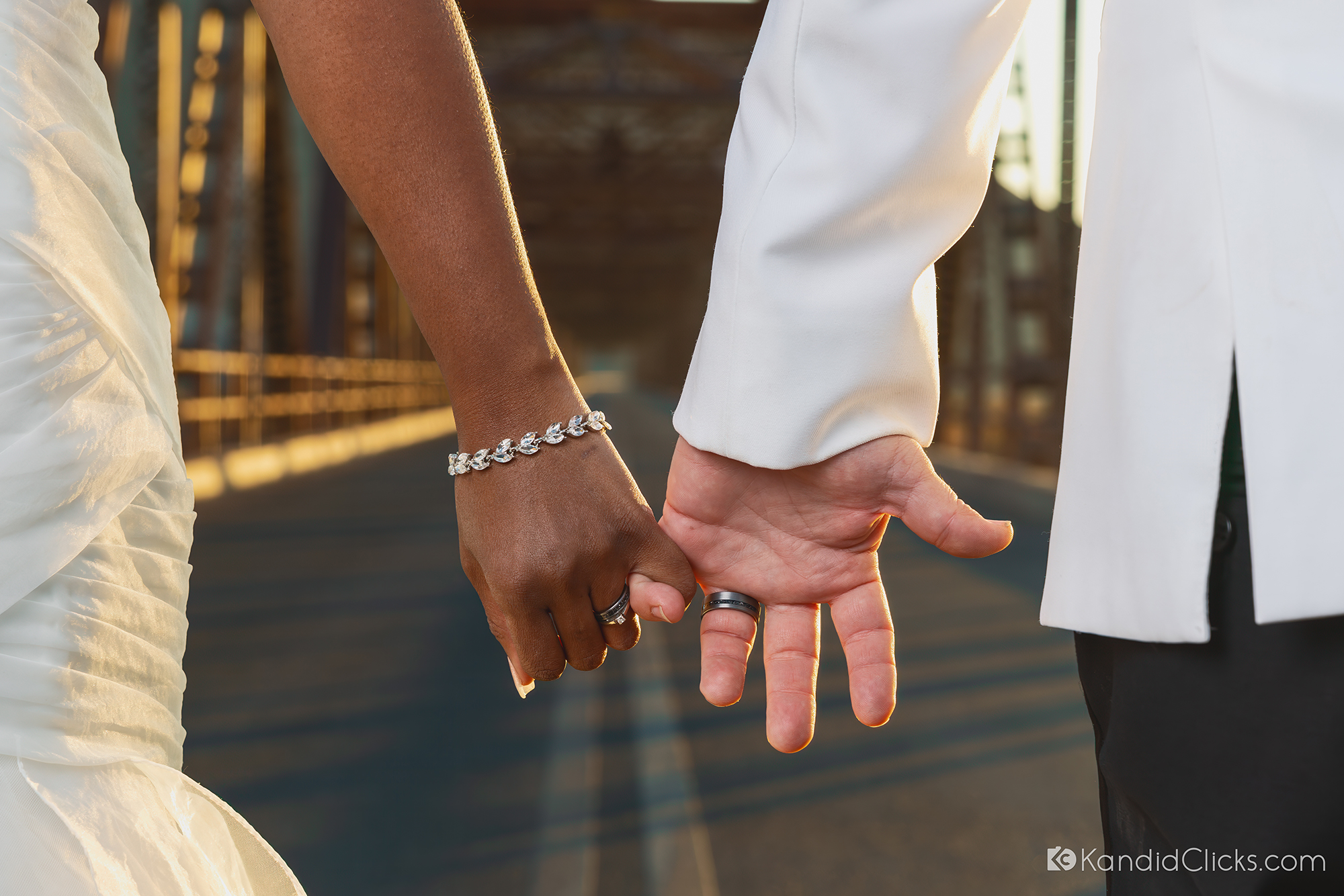
Your wedding day will be filled with moments – the big events and the tiny in-betweens. Documentary wedding photography is the art of capturing those moments exactly as they happen, without staging or directing them. Think of your photographer as a storyteller who quietly observes the day, ready to click when real emotions and interactions unfold naturally. In this guide, we’ll explore everything about documentary style – how it works, why couples love it, and whether it’s the right fit for your wedding. Along the way, we’ll highlight examples, compare it to other styles, and show why Kandid Clicks Photography in Phoenix excels at documenting weddings authentically. By the end, you’ll know if “don’t just pose – live it” is your wedding’s photography motto.


Defining Documentary Wedding Photography
What is documentary wedding photography? It’s a candid, journalistic approach that focuses on real, unscripted moments throughout the day. Instead of posing you and your guests for every shot, the photographer stays in the background – a “fly on the wall” – and captures life as it unfolds. This style is sometimes called wedding photojournalism or reportage. It draws inspiration from news and street photography: the images tell a visual story of your wedding day, from the tears and laughter to the tiny details that bring context. As one photographer puts it, “The key essence… that defines my style, is telling the story”.
In practice, documentary photographers anticipate moments: the best man’s tearful speech, a child stealing cake frosting, a surprise on your partner’s face when you appear in your dress. They don’t interrupt or direct these moments; they simply preserve them. By the end of the day, you get a true record “as you remembered” – authentic images of genuine emotion. Unlike traditional portraiture (where every detail is arranged) or editorial fashion-style shots (like magazine spreads), documentary photos are organic and candid. They focus on life in motion, not staged glamour.
Key elements of documentary wedding photography include:
- Candid Shots: Fleeting, unposed moments – laughter, tears, embraces – that reveal genuine connections.
- Photojournalistic Approach: The photographer captures events chronologically, creating a cohesive narrative of the day.
- Observational Presence: The photographer blends in and stays unobtrusive, so you and your guests act naturally.
- Emotional Authenticity: The focus is on real expressions (joy, surprise, nostalgia) that no posed shot can replicate.
Put simply, documentary wedding photography is about capturing the day as it actually happens, not as we plan it.


Key Characteristics of Documentary Style
Candid, Unposed Moments
At the heart of documentary photography is candidness. Rather than asking you to smile or look at the camera, the photographer waits for you to be engaged in a moment – perhaps wiping away a laugh, hugging a friend, or sharing a look with your new spouse. In fact, the “candid” shots are the backbone of this style. A top documentary photographer will spot when someone’s about to say something meaningful or when a funny situation is brewing, and be ready to shoot. This approach means there are no forced smiles or awkward poses – just real reactions. One expert notes: “Documentary wedding photography is about waiting, anticipation, actively seeking the moments”. The result? Images that feel organic and unforced.

Storytelling Focus
Documentary wedding photography tells a visual story of your day. It’s not just a random collection of moments; it’s a narrative with a beginning, middle, and end. For example, the album might open with shots of your morning jitters, move through ceremony highlights, and end with party chaos. Each image is a piece of that story. As Jonathan Desmond puts it, documentary photography is about “putting the photographs together to create a cohesive story – your wedding day story”. You’ll see the full arc: from the quiet morning preparations to the charged-up dance floor at night. Along the way, small details (like confetti on a table or rings on a tray) fill in context, making the story richer.
Emotional Authenticity
One of the clearest advantages of documentary style is how it captures emotion. A posed photo might get the job done visually, but true emotion – real tears, genuine laughter, that quick gasp of surprise – only comes from genuine moments. Robin Goodlad says it well: “No posed photograph will ever capture [emotion]… the moments you don’t remember are often the most powerful.”. Because subjects are focused on each other and the event (not the photographer), the reactions are pure. When you first see your finished photos, those hidden moments (a grandmother’s proud smile, a friend’s spontaneous joke) will leap out. That’s why documentary shots often move us more than posed portraits: they feel truthful and real.


Unobtrusive, Fly-on-the-Wall Style
Documentary photographers adopt a “fly-on-the-wall” approach. This means they deliberately stay in the background, even sometimes using long lenses so you barely notice them. The goal is for you (and your guests) to forget about the camera so you’re free to enjoy every moment. Many photographers describe starting the day with “a blank canvas” – taking no control, just observing. In practice, that might mean the photographer sits quietly at the edge of the ceremony, or wanders through the venue during dinner, catching candid conversations and reactions. By the end of the day, you might even wonder if a photographer was there at all. This “invisible” style ensures nothing is staged – the photos simply document life happening.
Minimal Direction or Posing
While documentary means mostly candid, it doesn’t necessarily mean never taking a portrait. Many documentary wedding packages still include a short portrait session (perhaps 10–20 minutes) so the couple can have a few intentional shots. However, even then the photographer keeps it informal and quick. Their focus is still on making these moments feel natural: instead of stiffly posing, they might ask the two of you to walk and talk, or whisper a secret to each other to get real smiles. After that, it’s back to being hands-off. The key is that the vast majority of the day is not interrupted by long photo shoots. If you enjoy being candid or want to stay “in the moment,” this approach will feel very comfortable for you.


Observant and Experienced
Great documentary photographers are true pros at observation. They have an intuition for when something amazing is about to happen (the Best Man’s joke, the flower girl running by, a surprise appearance). They’re always ready to “shoot first, ask later,” because life waits for no one. In fact, they often say there’s no list of shots to follow – just the pressure to not miss a single story-worthy moment. Experience teaches them when to raise the camera: maybe noticing the way light hits a couple at sunset, or smelling when a little kid is about to topple off a chair. This skill means they can often capture images you didn’t even realize were happening.
Coverage of the Entire Day
Documentary wedding photography is typically full-day coverage. Because the style relies on catching natural moments, it’s important to be there through all the key events. This usually means from preparations (hair, makeup, first look) through the ceremony, and into the reception (dinner speeches, cake cutting, first dance, party, etc.). Some photographers even include the late-night sparkler exit or after-party antics. Within that timeframe, the photographer will record everything they can. The variety is part of the appeal: you’ll have photos of you getting ready (sometimes even candid moments like a sibling teasing you in your dress), the ceremony vows, your guests mingling, heartfelt speeches, and everyone dancing. It’s a full tapestry of memories, not just a handful of posed snapshots.

Creative Documentarian
Although documentary style is fundamentally about truth and purity, many photographers still bring an artistic eye to the work. For example, they pay attention to composition and lighting even in candid shots. If a beautiful background or light moment arises, they may subtly position themselves to take advantage of it, even as they remain unobtrusive. Some photographers even incorporate a bit of “creative documentary” flair – playing with reflections, silhouettes, or movement to add style, so long as it still feels natural. The balance is crucial: these creative touches should never feel staged. It’s artistry in service of authenticity.
Documentary vs. Other Wedding Photography Styles
It helps to contrast documentary with other approaches so you know exactly what to expect.

Documentary vs. Editorial:
Editorial style is like a high-fashion magazine – dramatic, posed, and styled. The focus is on creating art (remember our guide on editorial photography?). Documentary, conversely, is about capturing art as life. Editorial photos are planned (you might be guided into stylized poses with dramatic lighting). Documentary photos are spontaneous and organic. Editorial is luxurious and glamorous; documentary is raw and emotional. One photographer summed it up: “Editorial is curated art, while documentary is raw, emotional storytelling.”. Of course, many photographers (including us at Kandid Clicks Photography) blend both – giving you the best of both worlds – but stylistically, they sit at opposite ends of the spectrum.
(For more on comparing these styles, check out our Editorial vs Documentary Wedding Photography guide.)
Documentary vs. Traditional/Classic:
Traditional wedding photography often means a list of formal group shots (family posed group, bridal party lineup, etc.) and stiff portraits. It’s more about performing for the camera. Documentary flips that: formal shots are minimized or held to a short time, and everything else is candid. A good documentary shooter will still capture a few family photos (usually quickly and informally) because we know some traditions matter. But otherwise, traditional formality is kept to a minimum. You won’t be endlessly pulling your family in front of the arch; instead, we might gather everyone once and then let the day carry on.

Documentary vs. Candid:
“Candid” basically means unposed, and documentary is the most structured form of candid photography. All documentary photos are candid, but not all candid photos are documentary. For instance, an emotional close-up of a tearful mother during vows (candid) is documentary in spirit. But a random candids-only event coverage can miss the narrative arc. Documentary ensures those candid shots form a cohesive story, not just isolated frames. In short: all documentary is candid, but documentary also thinks bigger picture.
Documentary vs. Photojournalism/Reportage:
These terms are often used interchangeably. Strictly speaking, “photojournalism” can imply following certain news-style rules (like no digital manipulation). But in wedding photography, they all overlap heavily. Reportage photography (featured on This is Reportage site) is basically the most purist form of documentary – unfiltered, authentic. For our purposes, you can treat them as the same. When someone asks if they should hire a “reportage” or “documentary” photographer, they’re usually looking for this very candid, real approach.
Why Choose Documentary Wedding Photography?
Is documentary the right fit for you? It depends on your personality and vision, but here are reasons many couples choose it:


Authentic, Emotional Memories:
If you value feeling your wedding over perfection in every frame, documentary style will resonate. Your photos will be filled with real smiles, laughter, tears, and hugs – the essence of your day. You’ll see how it really felt, not just how it looked in posed photos.
Enjoy Your Day (Less Posing):
Some couples dread spending half the day on portraits and direction. Documentary photography lets you actually live your wedding moment-to-moment. You won’t have to perform or freeze – you can be in the moment. As one photographer puts it, documentary is perfect for “couples who love pictures, but don’t want them to take over the day”. Guests too can relax without fear of constant interruption for photos.
Storytelling Keepsake:
You’ll receive a wedding album that reads like a storybook, not just a photo album. Decades later, you’ll flip through and see the narrative of your day – including scenes you didn’t even notice at the time. Maybe a childhood friend dancing wildly, or the way sunlight streamed through the ceremony window – those “moment-in-time” images become cherished keepsakes.
Capturing Essence, Not Just Looks:
If you want photos that reflect who you are rather than staged poses, documentary is ideal. It’s especially appealing if you’re not naturally at ease in front of a camera; it focuses on you being you. You’ll still look amazing in the best moments; the difference is that those moments happen organically, so your smile or posture is real, not rehearsed.
Covers Everything:
Documentary photographers document everything: from the nerves of getting ready, to every reaction at the ceremony, to the dinner speeches, to the crazy dance moves. You won’t miss the little things, because nothing is off-limits. It’s like having a time capsule of your entire day.
In short, you’d lean documentary if you love candid, heartfelt images and want minimal fuss. If you smile hearing “just act natural,” this might be your style. As another photographer explains, documentary coverage creates “photographs that will endure long-term… capturing the essence of humanity”.
Of course, no style is absolutely one-or-the-other. Many couples choose a hybrid approach (some posed portraits plus mostly candid coverage) to get a bit of both worlds. But if you had to name one priority, documentary style means story first, poses second.
A Day in Documentary Style: What to Expect
How does a documentary wedding photographer work during the day? It’s useful to know what your photographer will (or won’t) do:


Minimal Direction:
For most of the day, your photographer will not interrupt. They won’t pause the ceremony, hush the crowd, or ask you to stop “for a quick photo.” Instead, they will quietly circulate, looking for moments: maybe photographing your face as you say “I do,” then quickly turning to capture your partner’s reaction. You will live the moment, and the photographer will catch it.
Quick Posed Sessions:
We still recommend building in a short portrait session (e.g. after the first look or during cocktail hour) for a few traditional shots of you two. But even these are treated casually: perhaps a stroll in the gardens rather than a stiff formal pose. And it’s usually brief – just enough to get those classic images, then back to candid coverage.
Family Photos:
Yes, documentary photographers usually still take a few family formals if requested. But they keep it efficient. Instead of half an hour lining up cousins, they’ll call out a few groups (“Grandparents, bouquet in front!”), snap a couple quick frames, and move on. The focus remains on fun, not enforced structure.
Continuous Storytelling:
From morning preparations (shots of excitement as hair and makeup are done) through ceremony (walk down the aisle, vows, first kiss) to reception (toasts, cake cutting, dancing) and beyond, we’ll be there. A typical timeline might look like the bulleted list in our notes above:
- Morning Prep: Capturing butterflies and tender moments getting ready.
- Ceremony: All the key events, plus guest reactions and tears.
- Couple Portraits: Two short windows during the day (like sunset) for some stylized shots.
- Reception: Speeches, emotional laughs, kids and grandparents, the cake – all of it.
- Evening/Dance: Fun on the dance floor, and maybe a moody night shot if time.

Attention to Detail:
Even though the focus is on people, documentary photographers also notice the small details that color the day. They might photograph the rings on a lace pillow, the place cards before the meal, or a detail of the dress embroidery on a chair. These add texture to the story and are shot as they appear, adding to the natural narrative.
No Missed Moments:
Because there’s no shot list to tick off, the risk of “missing” a moment is low. The photographer’s job is to capture everything, not just the big events. If someone sneezes or a toast goes unexpectedly sentimental, it’s all fair game. If anything unscripted happens (like grandma busts a move on the dance floor), you’ll have proof of it. That’s the beauty of the candid approach – the photos truly reflect “a day you remembered”.
Getting the Most from Your Documentary Photographer
To help your photographer tell the best story, a little planning helps:


Share Your Timeline:
Let your photographer have a clear schedule of events. If they know, for example, there’s an especially emotional reading at 6pm, they can be poised to capture it. If they know there’s a surprise performance or a farewell sparkler exit, they can prepare. Communication is key.
Define Must-Haves:
While documentary style is freeform, you can still let the photographer know if there are critical shots you want. For instance, maybe you do want a posed family portrait with great-aunt Sally – just say so. They can then include that in the flow, usually with minimal fuss. At the same time, trust their judgment to capture what really matters in the moment.
Relax and Be Present:
The less you worry about the camera, the more your photographer can do their job. Embrace spontaneity. The best documentary images happen when you’re enjoying yourself – laughing, dancing, wiping a tear – without pause. Feel free to set aside formalities. The photographer may sometimes gently direct (“walk over here,” or “whisper something funny”) to spark natural reactions, but mostly let things unfold.

Limit Interruptions:
If you want the photographer fully in documentary mode, you might choose to schedule photos around the edges of your day. For example, plan your romantic portrait session at sunset so they can put full attention on candids during the ceremony and reception. Likewise, brief any traditional group photos early on so the rest can flow.
By planning smartly and trusting your photographer’s eye, you’ll maximize the candid magic. A skilled documentary photographer will know when to step in and when to step back. In the end, your role is simply to be yourselves – the candid focus handles the rest.
How Documentary Style Differs From Editorial
We’ve already touched on differences with other styles. To recap the main contrasts, especially with editorial wedding photography:
- Control vs. Spontaneity: Editorial photography often involves controlling the scene – lighting, pose, background – to craft a dramatic image. Documentary photography relinquishes control: the scene is as it is, and the photographer reacts rather than directs.
- Aesthetic: Editorial photos look “magazine-ready” – think flawless, high-fashion images with perfect light and composition. Documentary photos have a more raw, real look. The lighting might be available light or a quick flash; the framing captures life, not artifice.
- Subject Interaction: In editorial shoots, the subjects typically act, posing confidently. In documentary style, subjects are – laughing with mom, joking with groomsmen, tearing up during vows.
- Narrative vs. Hero Shots: Editorial often delivers one “wow” hero shot after another. Documentary delivers the passage of time: the build-up, the climax, the resolution. You’ll have more images overall (hundreds more!) because we capture the story, not just standout moments.

That said, remember many photographers fuse these approaches. At Kandid Clicks Photography, for example, we might complement our documentary shooting with a few editorial-inspired portraits (we find that sometimes the same frame can feel candid and cinematic at once). But if editorial were “the high note” of wedding imagery, think of documentary as the melody underneath – the one that carries you through every verse.
Choosing Dokumental: Is it Right for You?
You might wonder if documentary photography suits your personality and wedding vibe. Here are some clues that point toward documentary:
- You’re a “be present” couple. If you don’t want to be tied down for long photoshoots and would rather enjoy champagne with your guests, documentary is ideal.
- You love genuine moments over perfection. If a shot of you laughing mid-conversation appeals more than a stiff pose, go documentary.
- You trust your photographer. This style requires some faith that your photographer will capture all the magic without you micromanaging.
- You’re hosting a big or emotional wedding. Lots of guests, traditions, or high-energy parties mean a dynamic environment. Documentary handles that beautifully.
On the other hand, if every photo must be perfectly posed and styled (for example, if you have a very rigid photo plan or want 100% fashion-magazine aesthetic), then editorial or traditional might be more up your alley. But even then, it’s hard to resist mixing in some candid shots for the raw emotion.


Remember: even the most documentary-oriented packages usually include brief formal shots (family photos, for instance), because most couples still want those. And even an editorial-focused wedding will include some candids (since those emotional moments are too good to miss). You’re not locked in.
At the end of the day, pick a style (or blend) that reflects your story and comfort. For many of our Phoenix couples, the answer is: a photography approach that captures the real, unscripted essence of their day. If that resonates with you, documentary wedding photography will not disappoint.
What does documentary wedding photography cost?
In Phoenix (and nationwide), wedding photography is a significant investment. For context, average packages in 2025 range roughly from $3,500 to $7,000 for full coverage of a wedding day. Top professionals often charge $8,000 and up, while newer photographers can start around $1,000.
At Kandid Clicks Photography, we strive to offer excellent documentary coverage at competitive rates. Our Full-Day Wedding Experience is $2,200 for up to 8 hours of coverage (two photographers, 400+ edited images) – well below the national average. We also have half-day ($1,275 for 4 hours) and elopement packages ($575 for 2 hours) to suit smaller events or tighter budgets. You can view all wedding photography packages on our site.

Regardless of package, our approach remains the same: to document your day comprehensively. In Phoenix, couples typically invest around $3,000–$5,000 for a skilled wedding photographer in Phoenix. Our pricing reflects both our experience and the high quality of our work. We believe every couple deserves beautiful, authentic images – not gimmicks. With Kandid Clicks, you know exactly what you’re getting: transparent packages and no hidden fees, so you can focus on planning the day, not the bills.
If budget is a concern, remember that photography is something you’ll cherish forever. Many couples find it’s well worth it to spend a bit more here to capture irreplaceable memories. To see our wedding portfolio (and proof of our storytelling style), check out our wedding portfolio and pricing packages.
FAQs about Documentary Wedding Photography
To answer more of your questions, we’ve compiled some common FAQs:
What is documentary style photography for a wedding?
It’s an approach where the photographer records the day as it happens – candid, unstaged, and unobtrusive. You’ll get photos of real emotions and events, from preparation to party, with minimal posing.
How does documentary differ from editorial style?
Editorial style is about creating perfect, magazine-like shots (posed, dramatic, fashion-inspired). Documentary is about authenticity and emotion. Editorial is curated; documentary is raw. Many couples choose a blend (see our Editorial vs Documentary Wedding Photography guide for details).
Is documentary the same as photojournalism or reportage?
Yes, they’re essentially the same concept in wedding photography. All aim to tell the story with candid images and little interference. “Documentary,” “journalistic,” and “reportage” are often used interchangeably.
Do documentary photographers take any posed shots?
Usually they’ll take a few key posed shots (like a quick couples portrait or family photo if requested), but these are kept brief. The vast majority of images are taken candidly.
Will my photographer pose us at all?
In documentary-style coverage, posing is minimal. You will get some guidance for essential shots (hand-in-hand together, or a simple portrait against a nice backdrop), but the aim is to keep you in the flow of your day. Most of the time, your photographer will simply capture you being yourselves.
Will there be family or group photos?
Yes, but typically just a short session. We can take requested family or wedding party photos (often in about 10 minutes between ceremony and reception) so everyone is happy. After that, it’s back to candid coverage. This keeps the day moving while still getting those traditional images.
What do documentary wedding photographers photograph all day?
Everything! From your boutonniere pinning and dress zippers, to your first look reaction, to toasts and children playing. Essentially, if it happens, we try to capture it. Some photographers will even do photos of the venue, the dance floor atmosphere, and the cake cutting – all authentic parts of the day.
Is $5,000 too much for a wedding photographer?
Not in Phoenix. Professional wedding photography is a major investment. In 2025, national averages are $3,500–$7,000. A great photographer (or team) often costs in that range. Our full-day package at $2,200 is quite reasonable for two photographers and full coverage. Of course, you should spend what fits your budget, but remember that quality photography is something you’ll treasure forever. Compare packages (ours and competitors’) to find the best value.
Is $4,000 a lot for a wedding photographer?
It’s on the high side of average, but not unheard of. Many experienced photographers, especially in metro areas, charge $3,500–$5,000+ for full-day coverage. Again, look at what you’re getting: number of hours, number of photographers, number of final images. Our $2,200 package for 8 hours and 400+ images is a great value based on industry standards.
What if it rains or light is bad?
Skilled documentary photographers adapt to any conditions. Rain can even add character (we might use umbrellas or shoot reflections). Low light or indoors, we adjust settings or use subtle flash to keep images natural. The goal is authenticity, so we make the best of every situation rather than rescheduling or using a ton of artificial lighting.
Can documentary photography work for any wedding size or style?
Yes! Whether it’s an intimate backyard ceremony or a big ballroom reception, documentary approach simply means “candid coverage.” The style suits all types of weddings. For small weddings, it means capturing close family emotion. For large weddings, it means never missing a beat across the crowd. The photo count just scales with the day’s size.
Conclusion: Capturing Your Story, Naturally
Your wedding day is a unique story, and documentary wedding photography offers a way to capture it authentically. By focusing on candid, unscripted moments, it preserves the emotions and details you’ll want to remember forever. As couples in 2026 increasingly value honesty over polish, this style has become more popular – “posed is out, genuine presence is emphatically in”.
If you’re someone who dreams of reliving your wedding through photos – tears and all – documentary style will likely resonate. It’s for couples who want to see themselves and their loved ones just as they were on that day, not actors on a stage.
At Kandid Clicks Photography, we love telling stories through our lenses. We blend the best of documentary and other styles, so you get a photo album that feels both true and beautiful. To see examples of our documentary work, view our documentary wedding photos. And when you’re ready to plan, check out our Phoenix Wedding Photographer: Ultimate Guide and our wedding packages for details on how we can document your day.
Whatever style you choose, we’re here to help you make the most of it. Book a consultation with us, and let’s capture your wedding story – unscripted and unforgettable.