

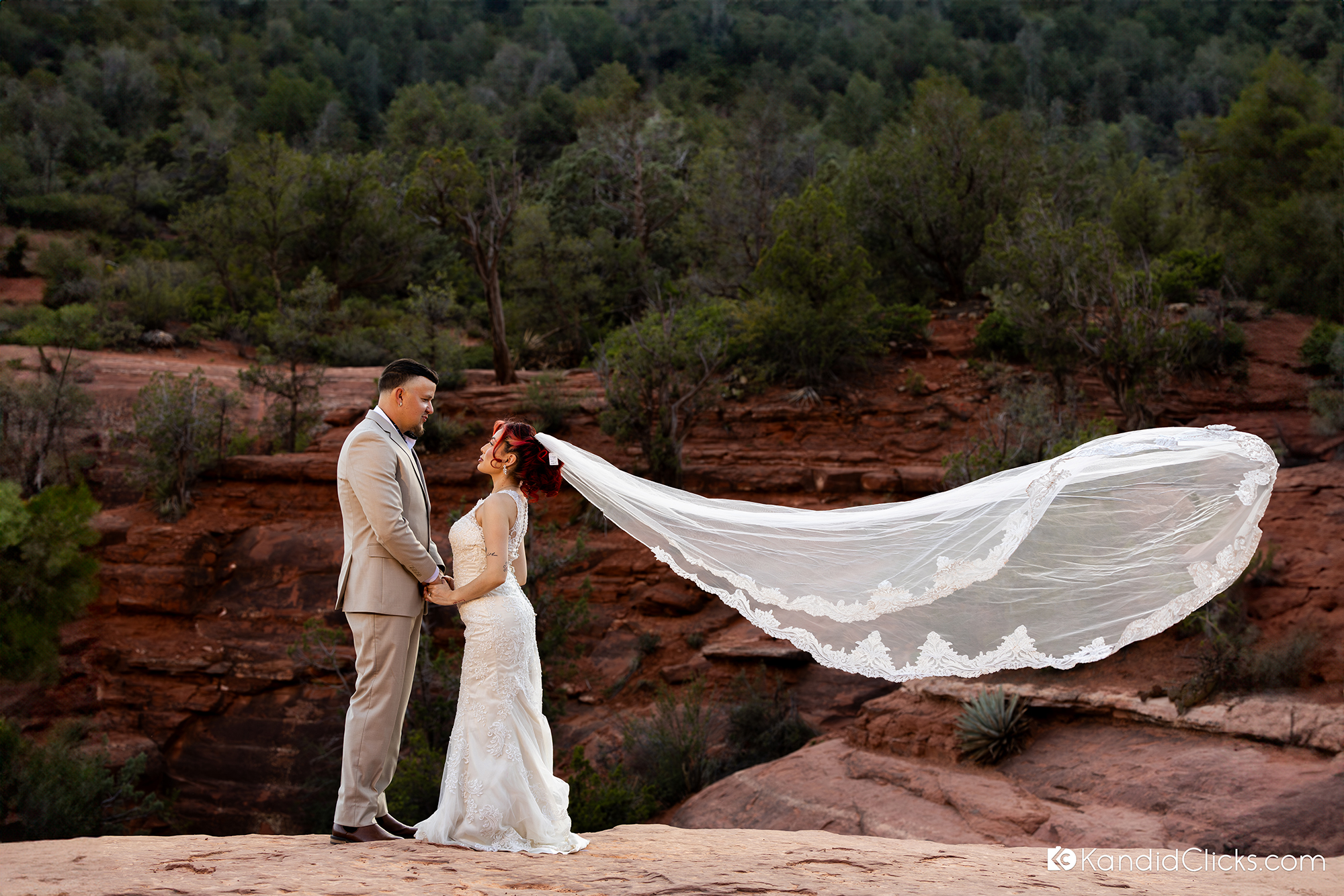
Planning your wedding is a whirlwind of decisions, and choosing the right photography style is one of the biggest. Do you dream of bold, stylized portraits worthy of a fashion magazine, or are you drawn to raw storytelling and candid moments that chronicle the day’s genuine emotion? In 2025–2026, couples are craving both: striking editorial wedding photos and unfiltered, documentary-style storytelling. In this guide, we’ll define and compare editorial wedding photography and documentary wedding photography, highlighting the latest trends and how to pick (or blend) the style that best captures your love story.
Understanding these styles helps you communicate with your photographer and create the wedding album you’ve always imagined. Whether you imagine stepping out of a chic editorial photo shoot or reliving every happy tear from your ceremony, read on for a complete breakdown of each approach. (And don’t forget to peek at our Phoenix Wedding Photographer: Ultimate Guide or browse our wedding photography portfolio for more inspiration!)


What is Editorial Wedding Photography?
Editorial wedding photography brings the flair of fashion magazines to your special day. Think glamorous, magazine-worthy images with careful styling, intentional poses, and dramatic lighting. Photographers who shoot in an editorial style focus on the details – elegant gowns, crisp tuxedos, and the overall design of your wedding – much like a high-fashion spread. One photographer describes editorial photography as being “like a high-fashion magazine: carefully composed, thoughtful lighting, and an emphasis on aesthetic and emotion”. The result is a collection of polished, luxurious portraits where everything from the venue backdrop to the jewelry in your hands is styled and artfully captured.
In practical terms, editorial photos are posed and planned. Your photographer will often give gentle direction or cues: for example, asking the couple to look into each other’s eyes, or guiding hands to a certain position to highlight a detail. Yet the goal is always to make these poses look as natural and effortless as possible – like a candid moment that just happened to look magazine-perfect. Editorial wedding photos often have a dramatic flair: they may use striking backdrops (urban rooftops, desert vistas, elegant ballrooms) and bold lighting (high contrast flash, creative shadows) to create a sense of grandeur. In 2025, this style remains popular for couples who want their wedding album to feel elevated and sophisticated, as though each image could grace the pages of Vogue or Harper’s Bazaar.
Here are key points about editorial wedding photography:
- Fashion-inspired look: Couples often dress and pose as if for a high-end fashion shoot.
- Controlled environment: Photographers may move you to scenic spots or adjust lighting to create perfect composition.
- Emphasis on style and detail: Everything from your dress fabric to the floral arrangements is highlighted artistically.
- Artistic direction: The photographer uses creative techniques (like dramatic flash or moody color grading) to make each shot visually striking.
Imagine an editorial wedding photo: a bride standing in a flowing gown on a mountaintop, the sun setting behind her while a photographer commands her pose, or a couple sharing a quiet kiss as if on a movie set, with every angle and light carefully arranged. These editorial wedding photos are about capturing beauty and style – they feel intentional, styled, and often timelessly chic.
Learn more about What is Editorial Wedding Photography

What Is Documentary Wedding Photography?
In contrast, documentary wedding photography (also known as photojournalistic or storytelling photography) is all about capturing the wedding as it unfolds. Picture a photographer acting like a “fly on the wall,” quietly observing and preserving moments exactly as they happen. Documentary photographers give minimal direction – they hardly interrupt the flow, instead focusing on real, unposed interactions. The aim is to create a true visual narrative of your day, from the big moments to the smallest in-between emotions.
Put simply, documentary wedding photography is the art of capturing genuine, unplanned moments. It’s about the spontaneous laughter during the ceremony, the tearful hug with your parents, or the excited grin on your friend’s face as you dance. Instead of staging shots, the photographer stays attentive to authentic emotion: guiding just enough to get good light or a clear shot, but otherwise letting everything happen naturally.
Key characteristics of documentary wedding photography include:
- Unposed, candid moments: The focus is on real expressions – tears, smiles, joyful chaos – not on perfect poses.
- Storytelling gallery: Each photo is a piece of the larger story, showing how the day felt. From the bridal prep to the final dance, the album reads like a storybook of your wedding.
- Photographer in the background: Photographers blend into the scene, using telephoto lenses or hidden angles to capture moments without intruding.
- Emphasis on emotion and action: It might show a dad wiping a tear, guests cheering wildly, or a couple dancing without noticing the camera.
For example, one wedding photographer says that documentary photography is “like being a fly on the wall,” preserving moments from far away so that couples can relive their day authentically. This style isn’t about perfection but about feeling. A quiet hand squeeze before the ceremony, a grandmother dabbing her eye – these seemingly small moments become the heart of your album. As one source notes, “documentary wedding photography tells the entirety of the story” by revealing everything that goes on, creating a gallery “personal, poetic, and full of movement”.
Learn more about What is Documentary Wedding Photography

Editorial vs Documentary: Key Differences
Now that we’ve defined each approach, let’s compare them side by side. Editorial and documentary wedding photography sit at opposite ends of a style spectrum. Here are the main differences:
Posing:
Editorial: Photographers will arrange you and your bridal party into posed or semi-posed setups. Even if the final look seems natural, it’s often the result of careful direction and planning.
Documentary: Shots are unposed. Photographers rarely tell you what to do, allowing moments to unfold organically.
Aesthetic Feel:
Editorial: Polished, dramatic, and stylized. Photographers may use off-camera flash or selective focus to create a high-fashion vibe. The emphasis is on beauty and composition.
Documentary: Natural and raw. The images often have softer edges, true-to-life lighting, and a candid feel. They may even embrace imperfections (motion blur, grain) for authenticity.
Subject Interaction:
- Editorial: The focus is on the couple (and styled details). Poses might involve gazing into each other’s eyes, walking hand-in-hand at a certain spot, or standing still for dramatic effect.
- Documentary: The focus is on interactions. The photographer might capture you beside each other (like eating cake, laughing) rather than in a formal pose. It often includes other people (family hugging, candid guests) for context.
Editing and Color:
- Editorial: Post-processing can be more fashion-forward: think enhanced contrast, moody cinematic tones, or fine-art color grading to heighten drama. Images are often crisp and meticulously retouched.
- Documentary: Editing is usually more natural. Some photographers favor true-to-life colors or subtle film-like tones. The goal is to keep the look timeless and unobtrusive, letting the moment speak.
Energy and Story:
- Editorial: Feels more posed and artistic, capturing iconic moments and stylish portraits. It’s as much about visual impact as about memory.
- Documentary: Feels like a narrative, showing the journey and emotions of the day. It’s about authenticity and connection.
By understanding these differences, you can picture what your wedding album might look like. An editorial shot might show you standing on a cliff’s edge in full wedding attire, every detail in sharp relief, whereas a documentary shot might catch you laughing with your bridesmaids as you slip on your shoes, with little attention to lighting or composition. Both have their charm; it’s a matter of taste (and, often, a combination of both).

Trends in 2025–2026: Bold Portraits and Raw Storytelling
Wedding photography trends in 2025 and 2026 prove that both editorial and documentary styles are hotter than ever. Couples increasingly want a mix: bold, artful portraits and authentic, unfiltered storytelling. Recent industry forecasts highlight that candid, in-the-moment shots are taking center stage, while editorial-inspired portraiture is also on the rise.
Couples Crave Authenticity:
Photographers note that “posed is out, and genuine presence is emphatically in”. As Pic-Time’s 2025 trends article puts it, in 2025 “couples are prioritizing raw, unscripted moments over stiffly posed portraits”. This candid trend – sometimes summarized as “candid is the new classic” – emphasizes capturing emotion and atmosphere above all. Eye-watering vows, the sheer excitement on the dance floor, or a spontaneous kiss at sunset: these real emotions are exactly what today’s couples want in their album. MILK Books also reports that documentary-style storytelling remains “the reigning choice” for how couples want their day remembered, focusing on honesty and warmth rather than perfection.
Editorial-Style Portraits Are Trending:
At the same time, the editorial wedding photos trend is growing. The Snells Weddings blog notes that “in 2025, couples are embracing editorial-style photography — an elevated, magazine-worthy approach that blends fine art and fashion influences”. Think sleek poses under dramatic lighting, and couples styled like magazine models. MILK Books likewise observes a rise in “Refined, editorial-style wedding photography,” where dramatic lighting, symmetrical framing, and cinematic angles turn traditional portraits into striking art. Modern brides and grooms are often inspired by Vogue or editorial spreads, wanting some images that feel intentional and grand.
Film and Vintage Aesthetics:
Many photographers are blending modern and nostalgic looks. Direct flash photography (à la paparazzi or old-school flash) is making a comeback to add an 80’s-90’s cinematic edge to editorial portraits. Similarly, film photography – with its soft grain and natural color palette – has become popular again to give both portraits and candid shots a timeless, romantic feel.
Moody and Cinematic Tones:
Editorial meets cinematic even in editing. There’s a shift toward moody color grading (think warm, rich shadows and deep saturation) for that dramatic feel. Such tones complement both styles: they enhance the emotional mood in documentary images and add drama to styled portraits.
“Hybrid” Storytelling:
Another trend is to mix stills with video for storytelling. Couples often hire photographers who offer both photo and video, making wedding coverage a multi-sensory experience.
In short, 2025–2026 trends encourage creativity and authenticity. Couples want magazines and movies rolled into one album – editorial flair and genuine candids. As one advisor puts it, shooting “fashion-forward daylight portraits” and also “freezing fleeting expressions” is the perfect fusion.
All these trends reinforce that the choice between editorial and documentary isn’t exclusive. In fact, many planners now expect a blend of bold, high-fashion imagery and heartfelt storytelling. The key takeaway: lean into the looks and techniques that resonate with your personal style, but know that mixing styles is not only okay—it’s what’s hot right now.

Which Style Is Better?
There’s no one-size-fits-all answer, but here are some considerations to help you decide:
Think About Your Personal Style:
Are you more drawn to magazine-worthy fashion shots, or to a photojournalistic documentary of events? Some couples want album covers (choose editorial), while others want a documentary film feel (choose doc). If you and your partner love fashion and posed shots, lean into editorial. If you’re more about genuine expressions and storytelling, lean documentary.
Comfort Level:
Do you feel at ease being directed in front of a camera? Editorial shoots often involve posing, which can be fun if you enjoy that. But if you’re camera-shy, a documentary approach that simply captures you being yourselves might yield more authentic images. (In practice, good editorial photographers will also make you comfortable and relaxed when posing, but it is more guided.)
Venue and Planning:
Some settings lend themselves to editorial style – e.g., a dramatic sunset at a canyon edge or a grand ballroom – where carefully planned shots look amazing. If you have limited time or a very tight schedule, documentary style ensures no precious moment is missed in favor of a planned shot.
Storytelling vs. Showcase:
Do you want your album to tell the story of the day, including laughter, tears, and fun dance-floor moments? Or do you prefer a curated showcase of formal portraits and detail shots? If it’s storytelling (and in 2025 it usually is), emphasize documentary; if it’s pageant and style, emphasize editorial.
In reality, most photographers (including Kandid Clicks Photography) blend both. As Barb Barbarich’s analysis suggests, wedding photography exists on a spectrum – many editors have a photojournalistic edge, and vice versa. Being too rigid about one style might mean missing out on the other’s strengths. Think of it this way: documentary catches the soul of the wedding day, while editorial highlights its beauty and grandeur. Both are important aspects of your celebration.


Benefits of Each Style
Let’s break down the strengths and benefits of editorial and documentary wedding photography:
Benefits of Editorial Wedding Photography:
- Stunning Portraits: You’ll get magazine-quality images that you can frame on your wall. These portraits are often showpieces in your album, with dramatic lighting and composition that make them stand out.
- Attention to Fashion and Detail: Editorial style highlights your attire, venue, florals, and décor in a high-end way. If your wedding style is elegant or fashion-forward, editorial shots will make those details pop.
- Control over Environment: The photographer can use creative lighting (like backlighting, flash, or colored gels) and choose the perfect backdrop to make each shot look extraordinary. This means even indoor or dim locations can yield dramatic photos.
- Keepsakes of the Glamour: Many couples love the hyper-stylized memories – in five or ten years, you can look back at these editorial photos and feel the full effect of the planned, cinematic atmosphere of your wedding day.
Benefits of Documentary Wedding Photography:
- Authentic Storytelling: Your album tells a genuine story. You’ll relive unscripted laughter, candid hugs, and the real atmosphere (crying Aunt, dancing kids, etc.). These photos are often more emotional and can make you feel like you’re experiencing the day again.
- Comfortable Process: Because you’re not constantly posing, documentary style often feels more relaxed. You can forget about the camera and focus on each other. Couples often feel more “themselves” in these shots.
- All Moments Count: Every part of your day matters. Photographers capture the full timeline (getting ready jitters, ceremony behind-the-scenes, reception party moments) – moments that might be overlooked in formal portrait sessions.
- Dynamic, Natural Results: The final gallery is rich with variety – smiling, movement, tears. These images capture energy (like a champagne toast or dance-floor spin) that editorial poses can’t.
No style is truly “better” in a vacuum – each has unique benefits. Editorial gives you polished artistry; documentary gives you heartfelt narrative. You might even discover you love aspects of both styles. Many couples find their most treasured photos are a mix: a glamorous couple portrait taken at golden hour, followed by an unposed shot of that couple bursting into laughter as confetti falls.

Real-World Scenarios: Choosing for Your Story
Let’s paint a couple of wedding-day scenarios to see how these styles play out:
The Editorial Bride:
Sarah has always dreamed of a wedding like a bridal magazine spread. On her wedding day, she wants a few hours blocked off for a styled portrait session. She pops on her lace dress and stiletto heels, and a small assistant might hold up her veil while the photographer frames a shot. They find a dramatic cliff edge in Sedona, use a golden-hour backlight, and capture Sarah looking pensively into the horizon – a cinematic, editorial-style portrait. Every shot is artfully posed: Sarah’s eyes are closed in one, and in another the groom tenderly cradles her hand, both looking intentionally styled and still natural. These editorial wedding photos will look like elegant, intentional works of art.
The Documentary Couple:
John and Maria just want to enjoy their wedding and trust their photographer to document it. Maria cares about remembering how she felt, not how she looked at every moment. So their photographer spends the day capturing real interactions: John’s nervous smile before seeing Maria at the altar, Maria’s dad proudly leading her down the aisle, John and Maria hugging their parents after the ceremony, the cake cutting wipe-out, and that epic bouquet toss. None of these moments are posed – they happen spontaneously, and the photographer is ready to click. The resulting photos show raw emotions: tears, belly laughs, the groom mid-dance with his best friend. These images read like a documentary film of the day.
A Blended Approach (Common):
Let’s say you want a mix. You might have a scheduled session for portraits (classic editorial style) interspersed within a mostly documentary shoot. For example, after the first look, the photographer can take 15 minutes to get some stylized couple portraits around the venue (dramatic angles, creative lighting). Then, for the rest of the ceremony and reception, they switch to fly-on-the-wall mode for the candid moments. A modern photographer might even shoot some editorial frames within those documentary moments – for instance, pausing a dance to frame a well-lit shot of the couple against a sparkler-lit backdrop.
The key is knowing what matters most to you. If you picture your album and find you definitely want a bold, posed portrait of you two under a chandelier or in a redwood grove, communicate that desire for editorial shots. If you envision your album full of laughter and tears, emphasize a documentary approach. Many couples start by browsing portfolios: if a photographer’s gallery (see our wedding photography portfolio) leans heavily in one direction, you’ll get a feel for their signature style.
And remember – a great wedding photographer will ask about your vision and often reassure you that it’s fine to mix styles. As one professional puts it, having “a photographer who can seamlessly offer both documentary and editorial styles makes a huge difference”.

Storytelling Wedding Photographer: The Best of Both Worlds
In recent years, the term “storytelling wedding photographer” has become popular. This essentially refers to someone who combines editorial artistry with documentary authenticity to tell your wedding story. A storytelling photographer might, for example, capture a candid tear on your mother’s cheek and then later compose a striking silhouette of you and your spouse under dramatic lighting – all in the same album.
By now it’s clear that most couples eventually want a blend of both styles – and savvy photographers deliver it. Many vendors advertise lifestyle or fine-art approaches, which essentially mean mixing: directing the emotional vibe and style to some degree, but also letting moments unfold naturally. This hybrid approach is often the ideal compromise: you get iconic poses and spontaneous memories.
For example, the Snells Weddings blog emphasizes that an editorial portrait can be paired with a documentary shot right after: “[In editorial photos] you’ll see those big, sweeping portraits…and candid storytelling through documentary photography for the real, unscripted moments,” like a father wiping away a tear. Think of it as cinematic filmmaking: there are the posed, breath-taking “hero” shots (editorial) and the unscripted B-roll footage (documentary) that together make the movie complete.
Why blend? Because your wedding isn’t just one thing. It has posed elements (ceremony exits, couple portraits) and candid elements (ceremony tears, reception fun). A photographer who understands both sides can fluidly switch gears. As the Leeric Lodge wedding planner notes, the “true magic” is balancing the raw and the polished. One moment they might coax a styled pose (perhaps asking you to lean into each other for a kiss at sunset), and the next they quietly document your laughter as it unfolds over dinner.
The benefit of blending is that you don’t have to sacrifice either beauty or authenticity. You’ll end up with a storytelling gallery: dramatic editorials anchored to candid storytelling images. For example, while editorial portraits might become the cover photos of your album, the documentary images fill the pages with emotional depth. The final collection will feel cohesive but varied: as MILK Books notes, combining some unposed moments with stylized shots results in an album that “feels cohesive but also visually varied”.

Candid Wedding Moments and Editorial Photos: Blurring the Lines
A buzzword you’ll hear often is “candid”. Many couples say they want “candid wedding moments,” and that word gets thrown around by photographers of all stripes. But candid photos can be found in both styles. Barb Barbarich explains that “candid” simply means unstaged – and it is the backbone of both documentary and editorial work. Indeed, even editorial shoots benefit from candid expressions; the best editorial photos often start with a posed setting but capture a genuine smile or gesture.
Thus, don’t think that choosing editorial means no candid shots, or vice versa. In practice:
-
Editorial wedding photos can incorporate candid expressions. A photographer might set up a pose and then capture the genuine laugh that happens spontaneously. They’ll still guide the shot (lighting, framing), but be ready to click at the authentic moment in between the posing.
-
Documentary style can sometimes include brief direction. A documentary photographer might ask you to stand in a particular spot for better lighting before shooting naturally from there. But the key is that the mood and emotion remain unscripted.
The two styles exist on a spectrum, and many photographers fluidly move along it. If someone markets themselves as an editorial photographer with a storytelling twist, they might present themselves as a “storytelling wedding photographer” who focuses on narrative, but with artistic portraits. This blended identity is becoming the norm.

How to Choose (or Combine) Your Wedding Photography Style
By now you have a solid understanding of editorial and documentary wedding photography. To choose between them (or choose to blend them), consider these practical tips:
Review Portfolios:
Look at multiple galleries. If most images are clearly posed (everyone looking at the camera, styled lighting), that’s editorial. If they look like movie stills (people interacting, unaware of the camera), that’s documentary. Identify what you love. (Tip: Visit our wedding photography portfolio for examples of how we mix styles.)
Ask Yourself What You Prioritize:
Is capturing emotions the priority, or is it capturing fashion and design? Write down your must-haves. If dramatic veil shots and posed close-ups top the list, lean editorial. If behind-the-scenes smiles and party frenzy are it, lean documentary.
Consider Your Venue & Timeline:
Some venues are great for editorial shoots (like a grand hall, scenic overlook, or styled reception space). If you have extra time around golden hour, schedule an editorial portrait session. Otherwise, allow the photographer to roam—documentary style works in any setting and with any schedule.
Communicate with Your Photographer:
Tell them what you envision. A professional photographer will often let you know that they usually shoot in one style or prefer to blend. Ask them how they handle both approaches. For instance: “Will you take some time for posed couple photos, or do you mostly stay hidden?”.
Trust the Blend:
Many photographers will naturally give you both. For example, one might say, “We’ll take about 30 minutes for couple portraits (editorial-style) and then spend the ceremony and reception entirely candid” or vice versa. If you like both styles, it’s wise to explicitly say you want a mix.
Schedule “Styled Moments”:
Even a documentary-focused day can have small editorial pockets. You could ask for a “photo break” after the ceremony for a few romantic portraits (that’s editorial), and let the rest be candid. This ensures you get cover shots and emotional shots.
Use Timeline to Your Advantage:
Build in buffer times. Relaxed gaps let your photographer capture spontaneous moments (like a bouquet toss or kids playing). If everything is rushed, you’ll only get posed shots.
Check Packages:
Sometimes wedding packages refer to “full day coverage” vs. “half day” – the more time, the more likelihood of blending styles. (For example, see our wedding photography packages in Phoenix for how coverage time can expand opportunities.)
Stay True to You:
Ultimately, authentic photos come from you being yourselves. Whether posed or not, what matters is you feel comfortable. If you’re stiff posing, maybe do fewer posed shots. If you’re shy with the camera, a few guided poses can help break the ice.
Remember, there is no wrong choice. Editorial photos offer the wow factor – they can make you look like royalty. Documentary photos offer the wow moment – they can make your heart swell years later. A thoughtful mix will capture every facet of your love story.

Conclusion: Capture Your Love Story Your Way
Your wedding day is uniquely yours, and how you choose to remember it is deeply personal. Editorial vs documentary wedding photography isn’t an either/or decision but a spectrum of possibilities. With the trends of 2025-2026, more couples than ever are embracing both bold portraiture and real storytelling, ensuring their albums hold glamorous perfection alongside heartfelt authenticity.
To make your decision:
1. Imagine Your Perfect Photo:
Close your eyes and visualize how you want to feel looking at the photo. If you see couture and candles, lean editorial. If you see laughter and tears, lean documentary.
2. Talk to Your Photographer:
Look at our Phoenix Wedding Photographer: Ultimate Guide or ask candidly, “Do you offer editorial shoots as well as coverage of the candid moments?” A good photographer will welcome blending styles.
3. Create a List of Must-Have Shots:
Include some editorial-style shots you can’t live without (e.g. a family portrait under a dramatic arch) and some documentary moments (e.g. first look reaction). That list helps your photographer plan.
4. Relax and Trust:
On the day, forget about the camera. When you’re caught up in each other’s eyes or laughing with family, both editorial and documentary magic can happen.
By focusing on your story – the love between you, your families, and your friends – you’ll naturally get wonderful photos no matter the style. As one photographer eloquently puts it: blending authentic, candid moments with a touch of artistic direction will “create a gallery that truly captures the essence of your wedding day – one that feels natural, emotional, and uniquely yours”. That’s the ultimate goal: images that make you feel the day all over again.
Whenever you’re ready to book, remember to view our wedding photography portfolio for examples of both styles, and check out our wedding photography packages in Phoenix to find the right fit for your day. With the right style (or mix of styles), your wedding photos will fit your love story perfectly – from the candid tear to the editorial glamour.